Old Front Line
WW1 Podcast with Paul Reed
Five Iconic Objects of Trench Warfare
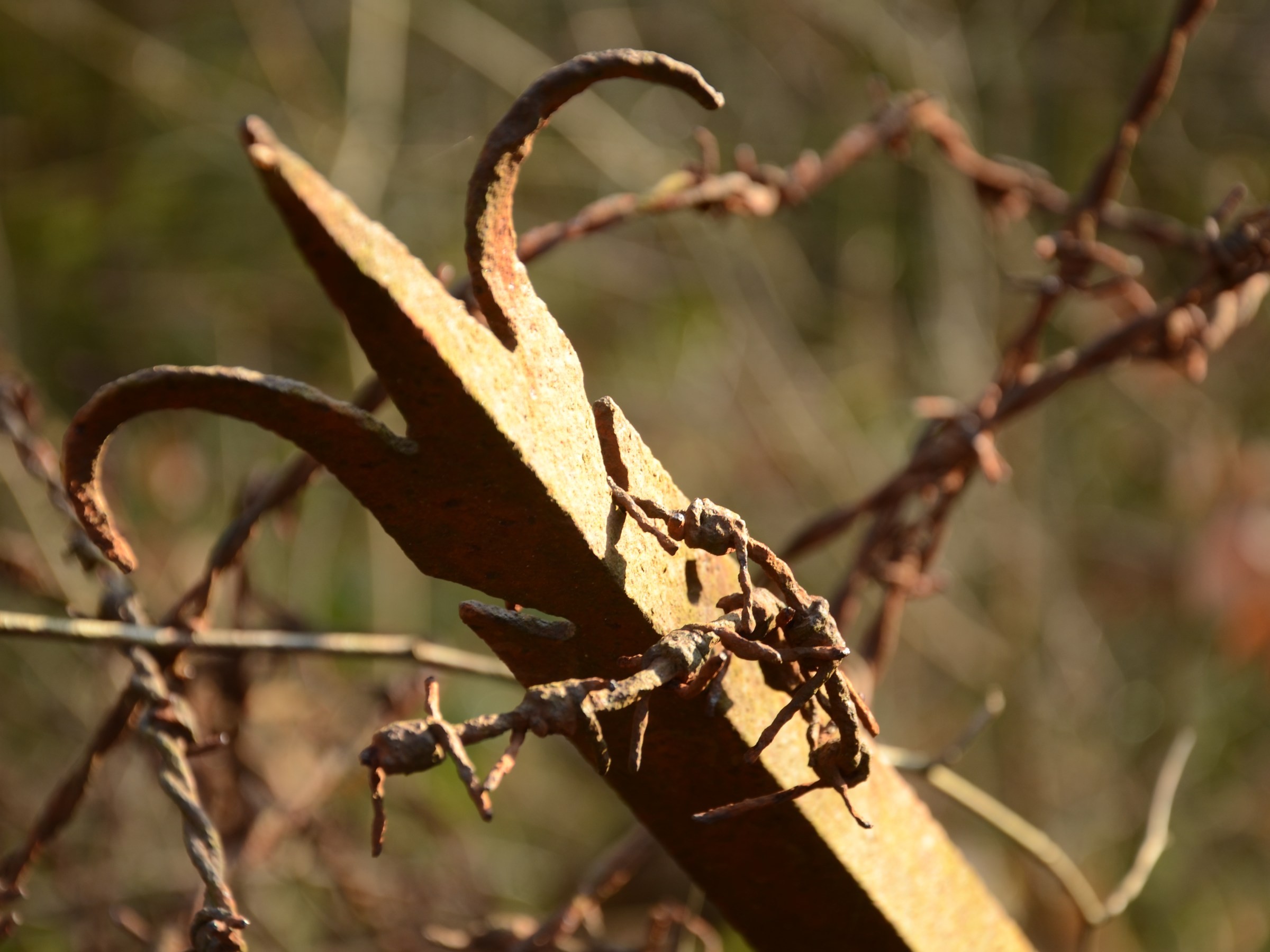
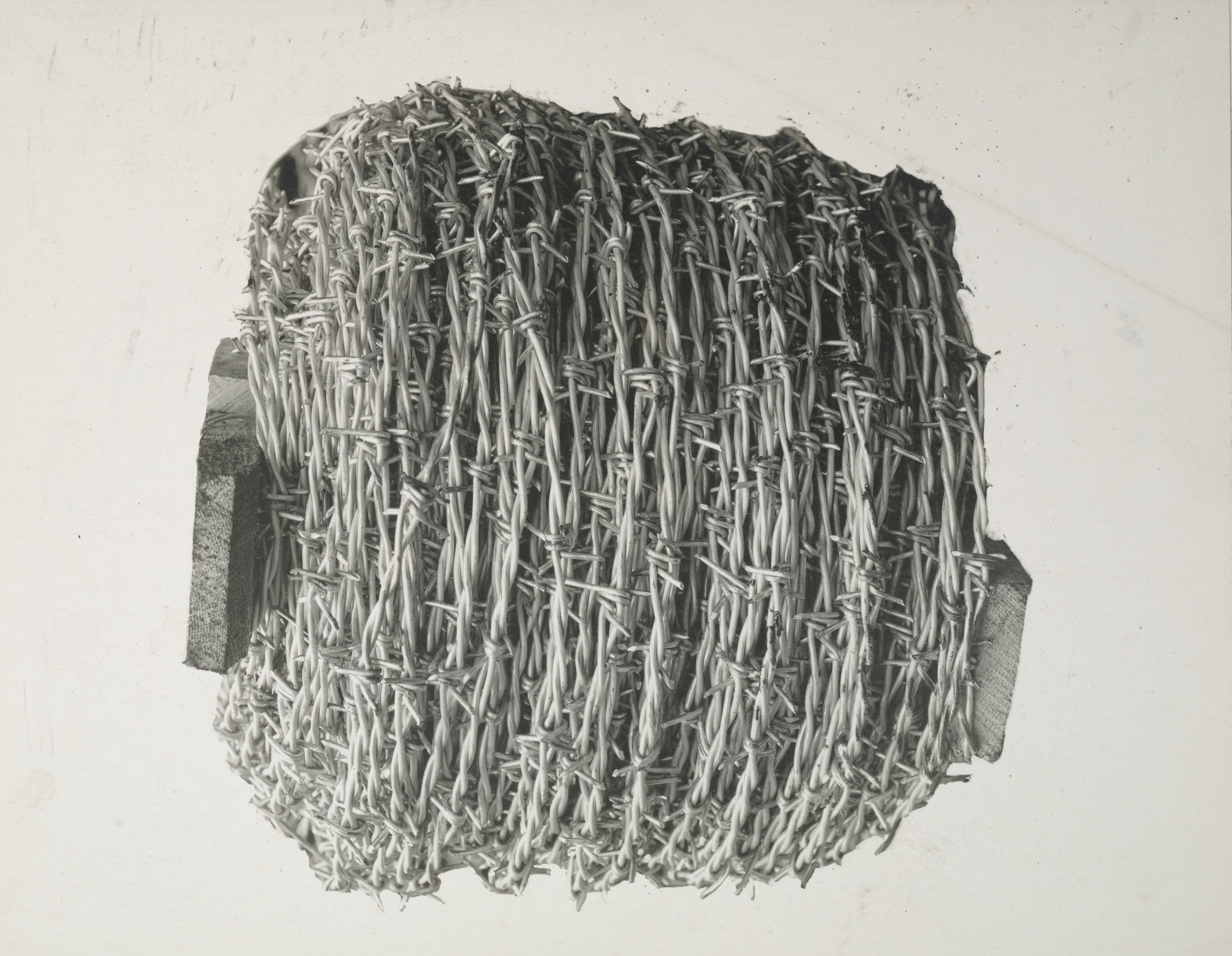
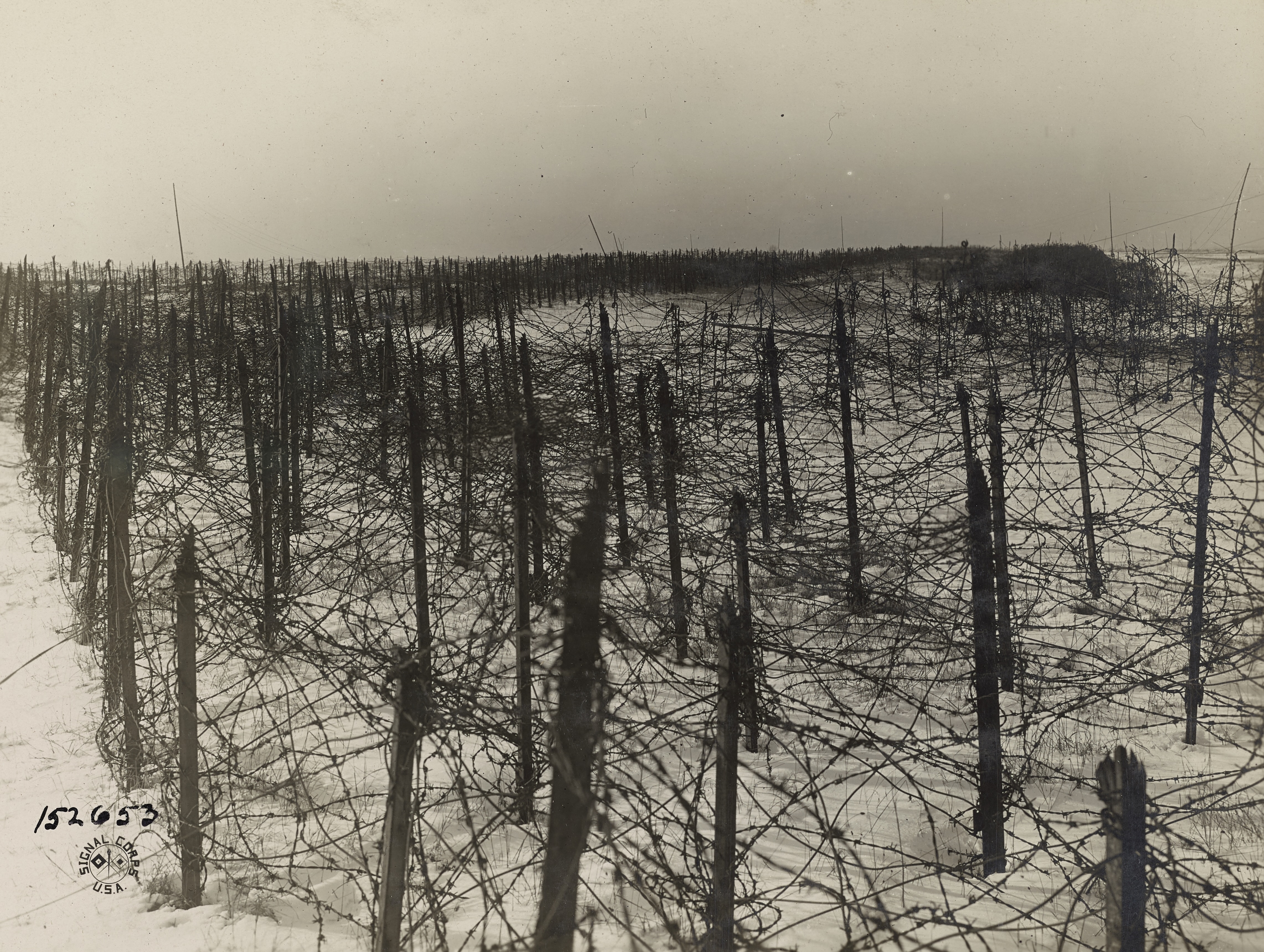
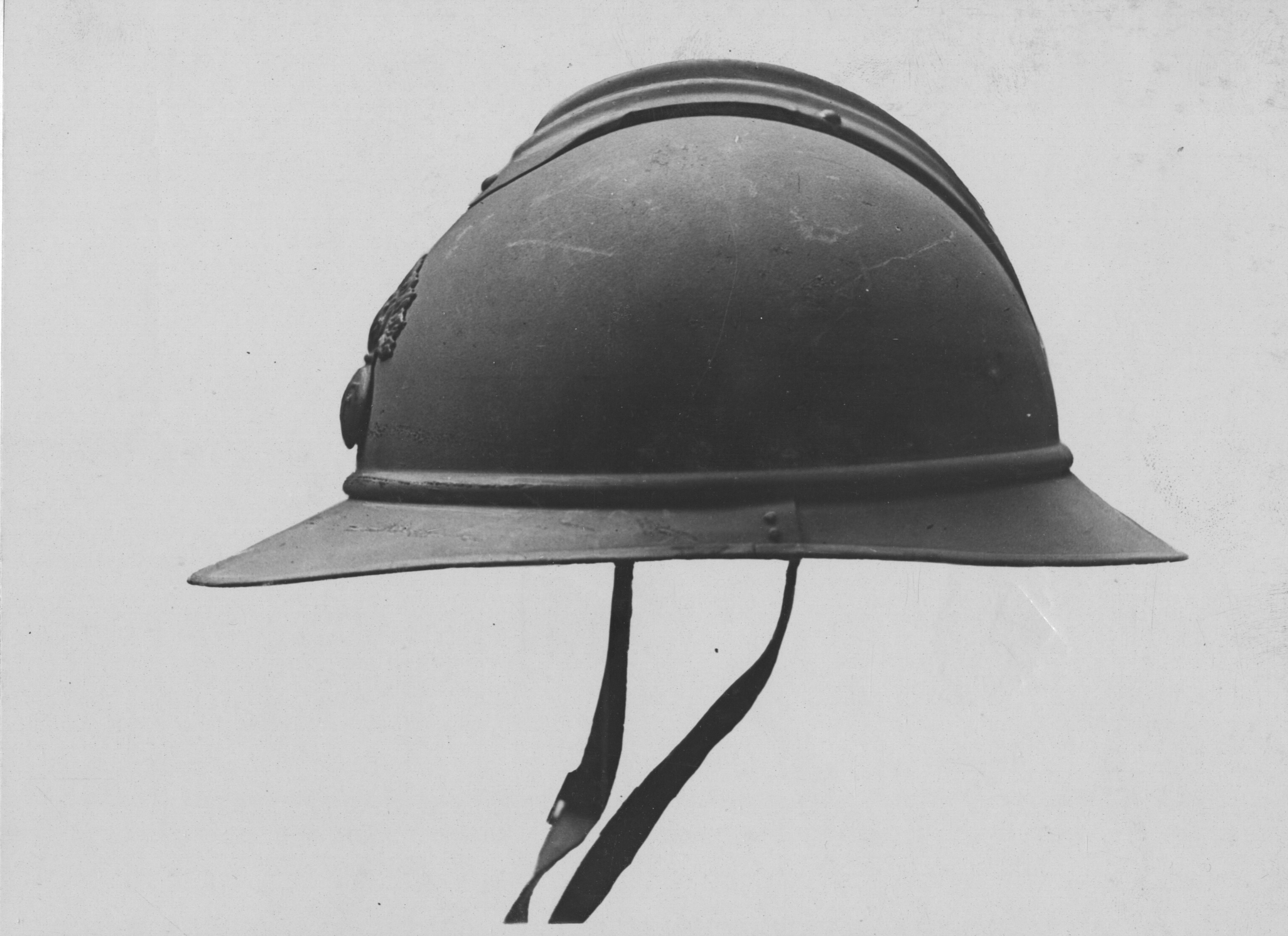
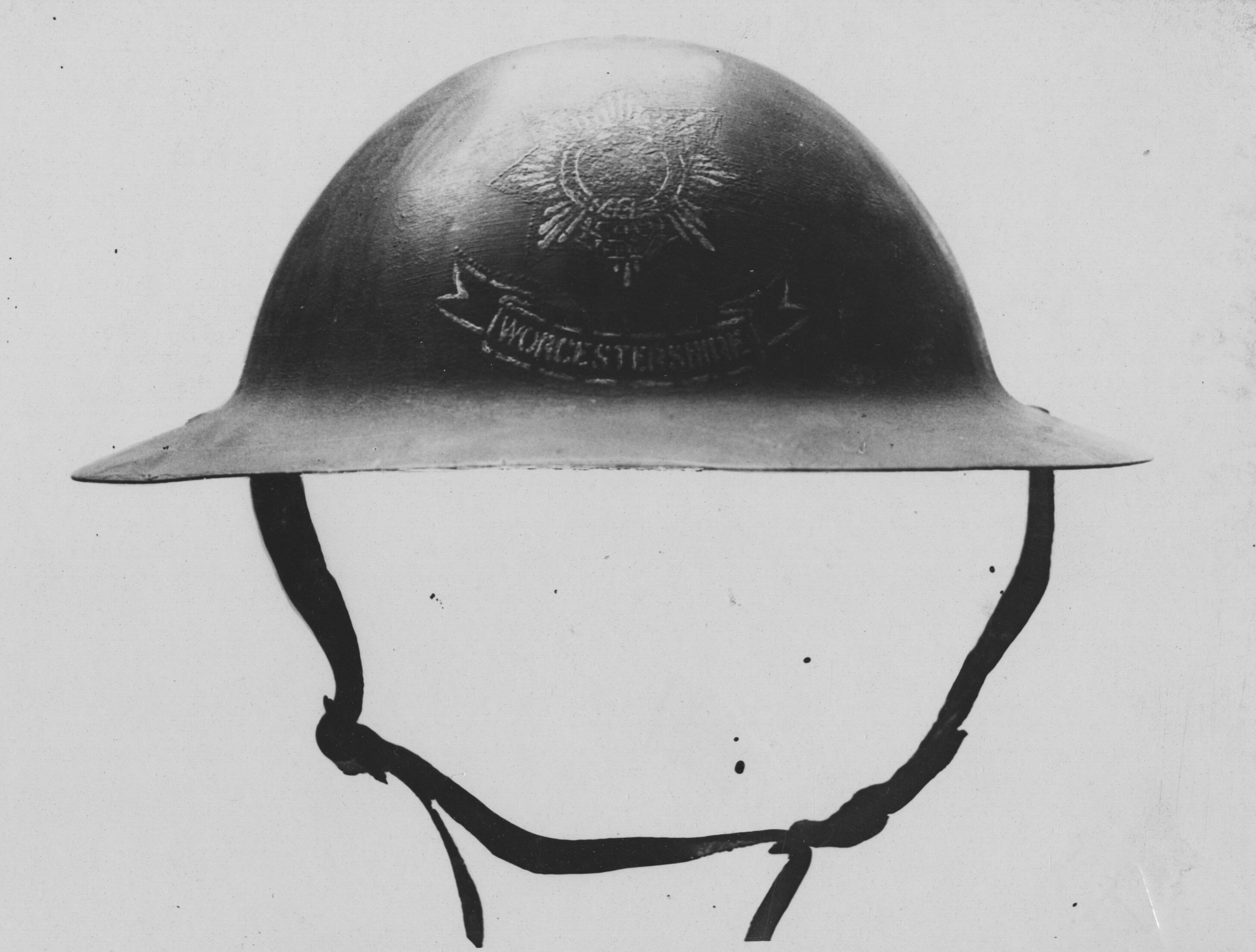
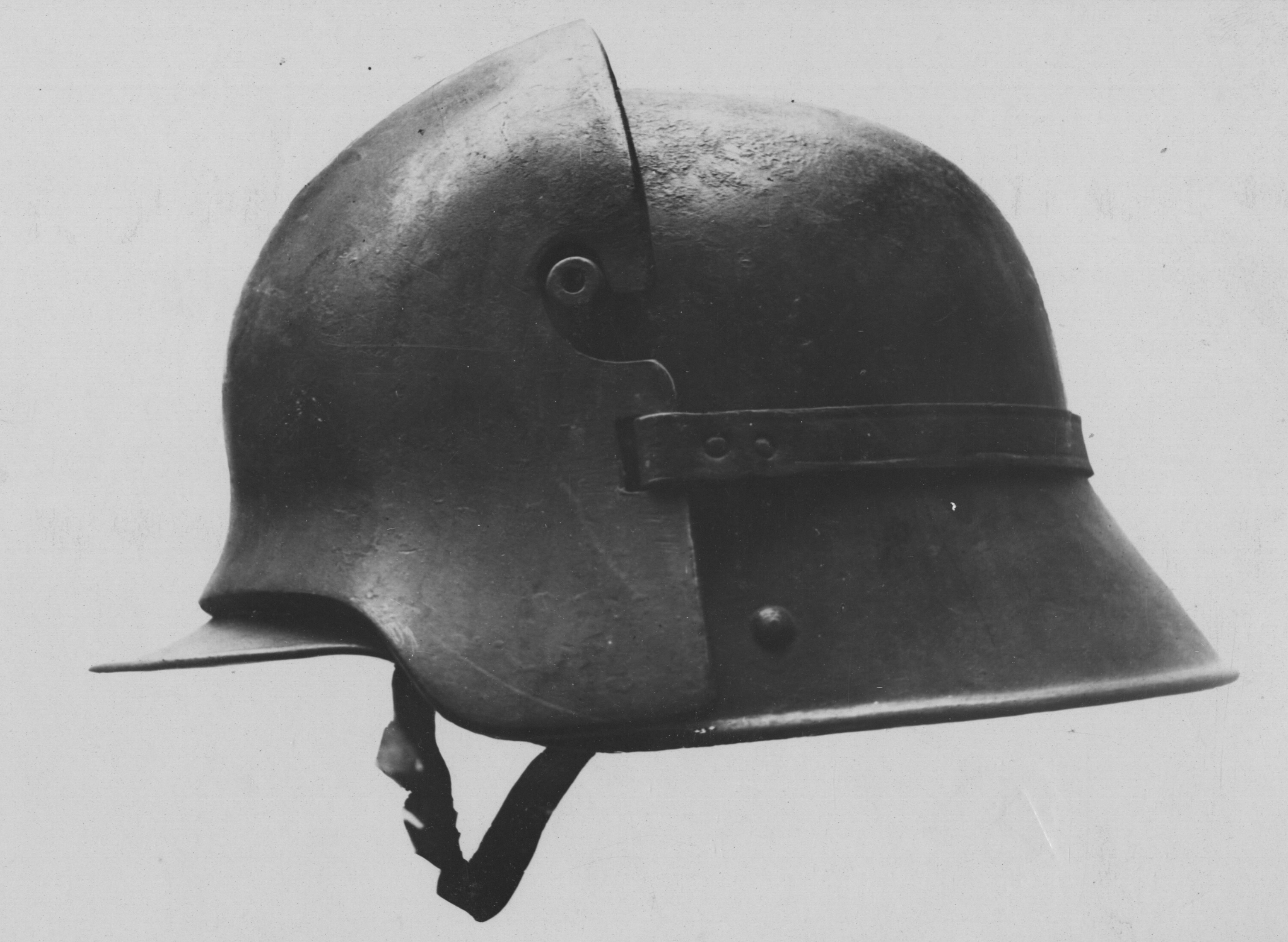
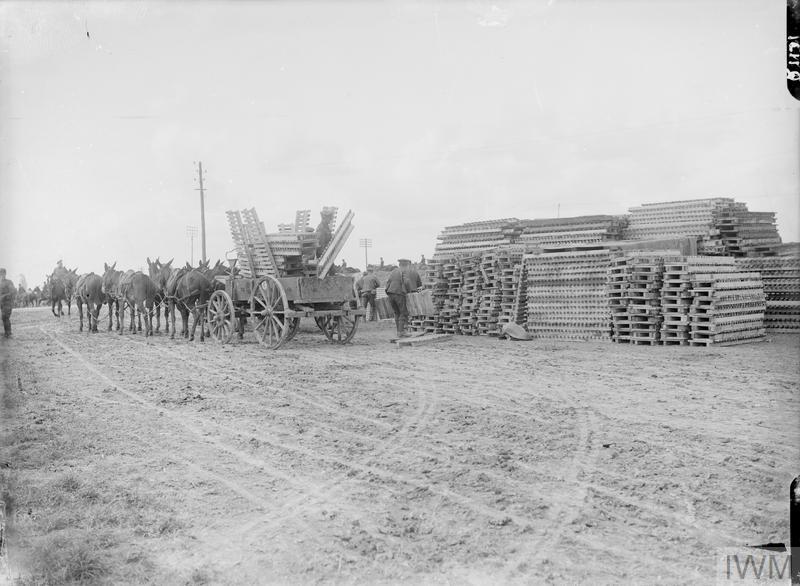
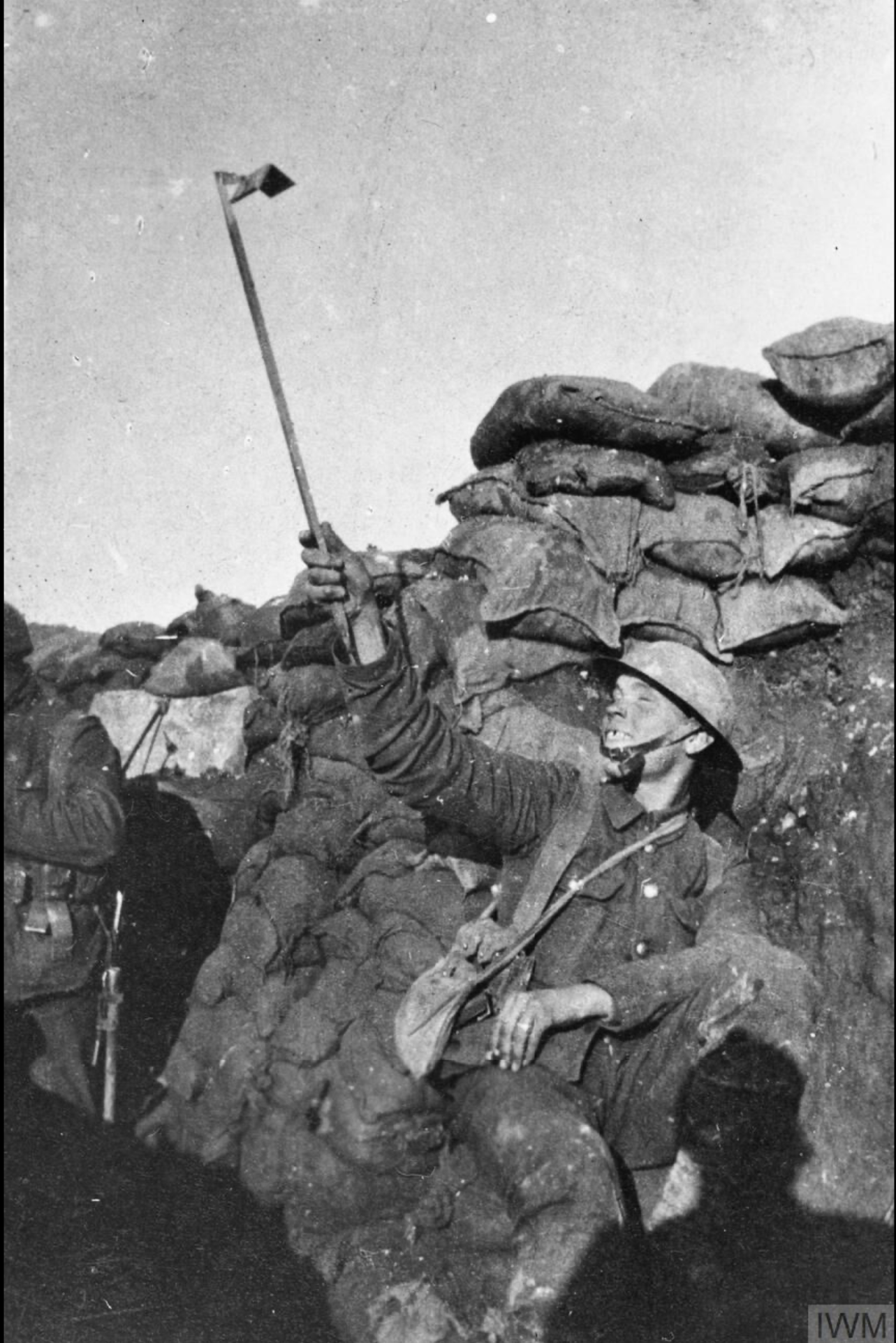
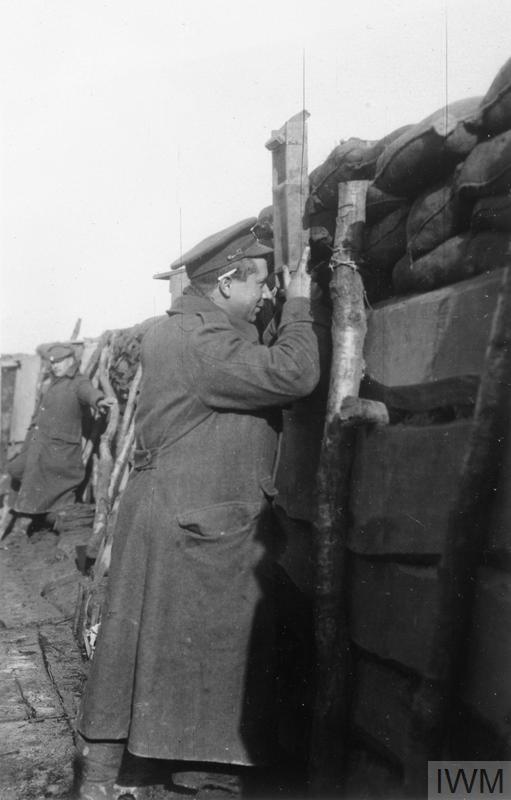
In this episode, we examine five iconic objects from the First World War which came to define the experience of Trench Warfare. These objects include barbed wire, helmets, duckboards, and trench periscopes. There is also a surprise artefact that millions of men carried onto the battlefield.
If you are interested in Trench Warfare also check out The Western Front: WW1 Trench Warfare, Why Was there Trench Warfare in WW1? and Five Weapons of Trench Warfare.
Got a question about this episode or any others? Drop your question into the Old Front Line Discord Server or email the podcast.
Podcast Extras:



7 Comments on “Five Iconic Objects of Trench Warfare”
Leave a reply to Stephen Hunt Cancel reply


 Old Front Line
Another very informative episode Paul. Thank you! For me the iconic object of the Great War will always be the German Pickelhaube! As a boy, I recall seeing that famous painting by Eric Kennington ‘The Kensingtons at Lavantie’ which illustrated a Tommy with this iconic object strapped to his equipment….for me that was a touchstone moment! I’ve collected them ever since….when I research them, unit markings etc….their iconic status is for me further enhanced. All the best Mike
LikeLiked by 1 person
Thanks, Mike! Yes it’s an object that very much speaks of the Great War.
LikeLike
Dear Paul,
Thank you so very much. Like everything that you do, it is perfect, brilliantly done and informative.
Your broad casting style is making you a national treasure!
I am sorry that I missed the Podcast Supporters evening. You are very kind to be so generous with your time and it is greatly appreciated.
All good wishes especially fort a very happy Christmas and a wonderful New Year.
Gerald Allison
LikeLiked by 2 people
Thanks so much, Gerald! You are as always very kind!
LikeLike
Hi Paul!
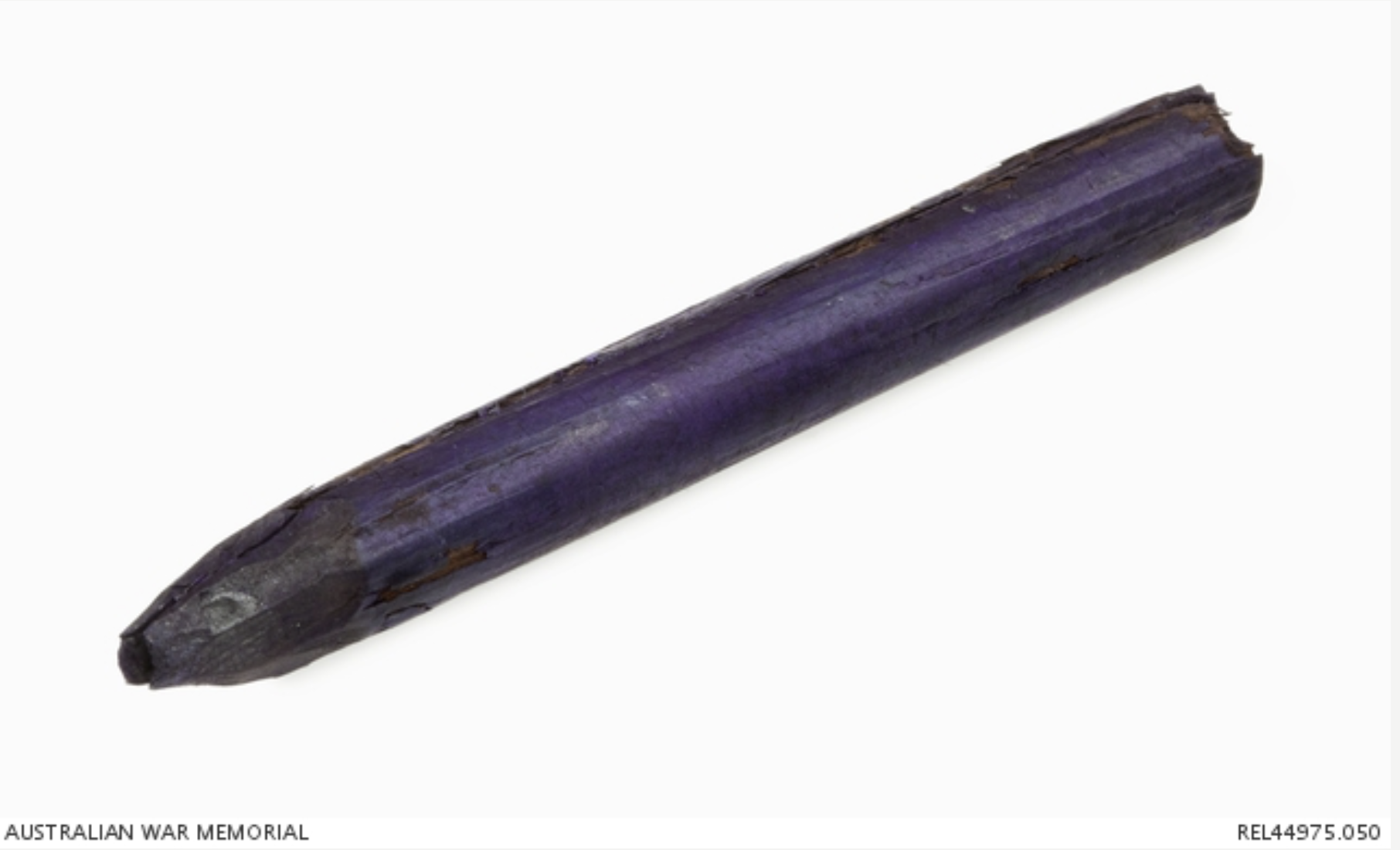
What an amazing episode! Closed down all other background noises, and put my headphones on me, to listen to this episode. Even if I have seen a lot of the objects you are mentioning in the podcast, it is always interesting to get that extra information and thoughts around the objects, especially the pencil.
The pencil reminds me of the pencil we still have today in the Swedish Army, I call it a “fat pen”, it is meant to write on gas signs in wet or contaminated environment on a special waxed paper. Maybe the special idea comes from those pencils used in WW1, who knows.
Speaking about objects, the other day an old colleague of mine found some small objects on his attic, related to his Great Grandfather, the Swedish Colonel Gustaf Bouveng, who joined a Swedish observation Party during 1914-1915 to the Eastern and Western Front where they followed the German units during a long period in Poland and Lithuania. I have borrowed the book about Gustaf’s diary that he wrote during these trips, with a lot of interesting photos and text.
The small objects were a small envelope with text, containing a German WW1 Iron Cross (2nd class, without ribbon and ribbon ring, the back side is also missing) and a russian medal from the Winter War 1940.
It was also a small religious symbol, a small golden cross with a ribbon and a needle in the end.
The Iron Cross was, according to the text on the envelope, from a fallen Russian soldier, in Poland 1915. The Medal is also from a Russian soldier, from the Winter War 1940, in which Gustaf’s son, Nils Erik Bouveng, participated, as a company commander, in the Swedish voluntary Corps.
I am asked to be a keeper of these objects, due to my interest in WW1, and that is of course an honor for me to do that. Despite the way, how these objects came into their possession, it is anyway a very special feeling to hold them in the hand, and really think about their history. Amazing thoughts.
I wish you a very nice Christmas, and once again, thank you for an amazing Podcast! See you on the battlefields in the future!
Best Regards,
Jocke
LikeLiked by 1 person
Wow, that’s quite something, Jocke and so glad they are in safe hands. Thanks for the kind comments about the podcast, and thanks for all your support this year. Love the story about the ‘fat pen’!
LikeLiked by 1 person
Thanks for another excellent episode Paul. I found the section on helmets particularly interesting. Given that the stalhelm remained in use with a number of armies until they early 90s, I was very surprised that the Adrian helmet was deemed to be the most effective.
LikeLiked by 1 person