Old Front Line
WW1 Podcast with Paul Reed
Podcast Summer Special
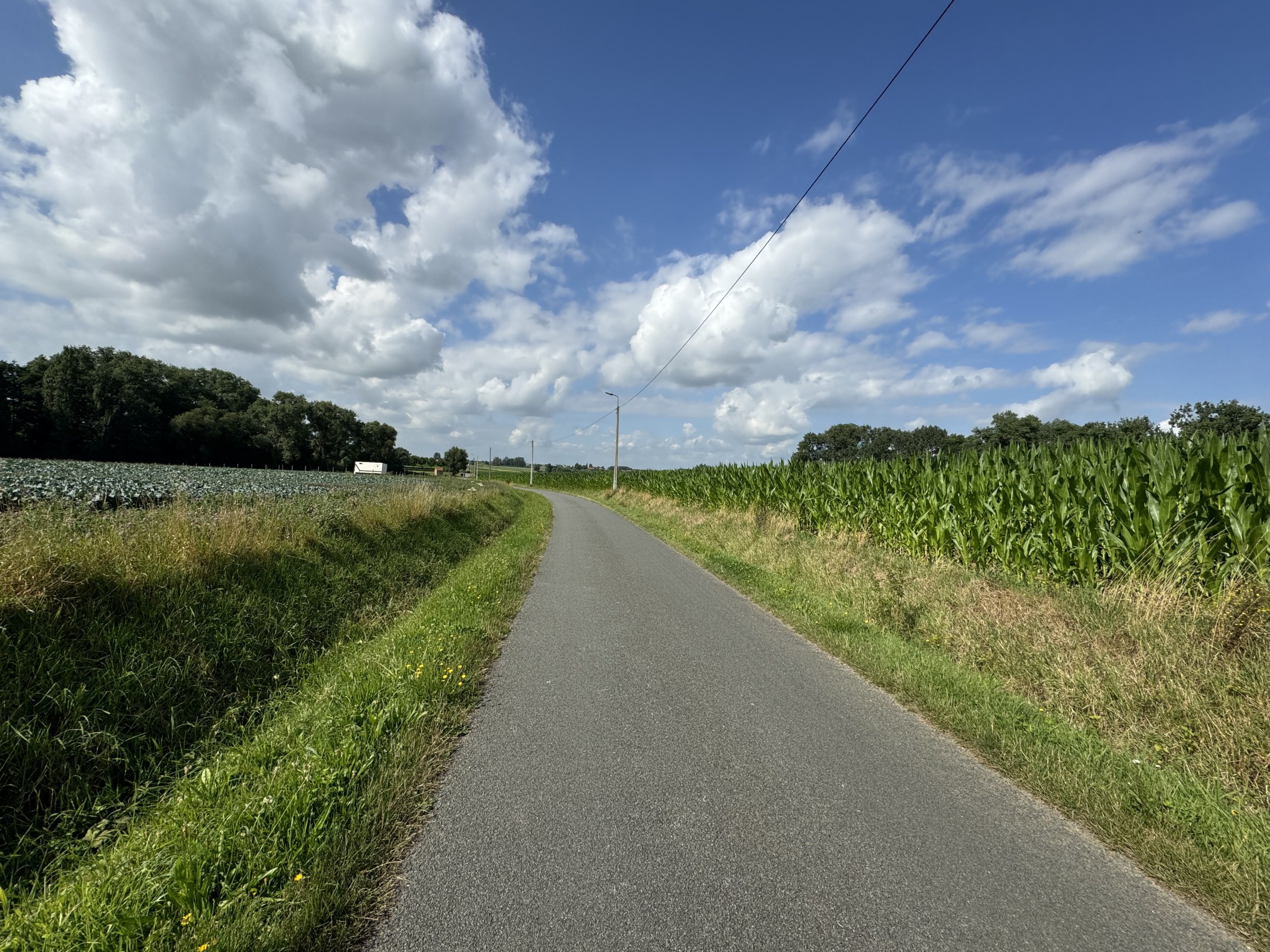
In a special summer edition of the podcast before it returns properly in September, we walk the battlefields near Passchendaele and have an extended Question and Answer session.
THE PASSCHENDAELE BATTLEFIELD WALK:
Got a question about this episode or any others? Drop your question into the Old Front Line Discord Server or email the podcast.
10 Comments on “Podcast Summer Special”
Leave a reply to oldfrontline Cancel reply


 Old Front Line
Thanks Paul!
LikeLiked by 1 person
I have missed your Saturday morning podcast very much. So good to listen this morning while making bread and teacakes for a friend. The Old Frontline is a highlight of my week, I always learn so much.
LikeLiked by 1 person
I so very much enjoy your Q&A episodes. Especially appreciated this week’s info about artillery as 2 of my 4 relatives lost in the Great War were gunners. One shelled repairing cable on Anzac Ridge Oct 26, 1917. The other RFA gunner bombed on his waggon lines near Loos/Lens July 25, 1918. Still trying to figure out a more precise location on the latter (he’s buried at Villers Station) so any and all info about gunners and their positions is greatly appreciated. Thanks Paul!
LikeLiked by 1 person
Thank you, Gayle!
LikeLike
Great to hear a podcast again, otherwise September would be too far away.
About the little monument on the downhill of Passendale, it’s the cheese-monument and depicts and old Dutch fable from the 13th. century “Van den vos Reynarde” (about the fox named Reynard).
The fox sees a raven in the tree and the raven holds a piece of cheese in his beak. The fox wants that piece of cheese and starts flattering the raven. “You look so beautiful. You would be more beautiful if you could sing”. “Oh, but I can’t sing” the raven replies. By doing so, the cheese falls out of his beak and the fox grabs it and runs off with it”.
Op een boem sat tere stont
Een roec ende hadde in sinen mont
Een case. Dit sach Reinaert
Ende sprac aldus ten roeke waert:
‘Dine vederen sijn soe scone!
Du mochts boven allen voglen crone
Draghen, hadstu claren sanc.’
‘Bi Gode ja ic!’ seidi, ‘goddanc.’
Doen toendi aldaer sijn luut.
Hi gapede ende die case viel uut.
Den case greep die vos Reinaert
Ende liep te sinen hole waert.
Dus sijnre vele te scherne ghedreven
Bi prise die si hem horen gheven.
LikeLiked by 1 person
Oh this is fantastic! Thanks so much for this, Peter!
LikeLiked by 1 person
Thank you, Paul. I was with you on the recent Walking the Ypres Salient trip and this episode took me right back to that visit to Tyne Cott and the walk up to Passchendaele. I was completely absorbed by the landscape and your explanation of what happened there, and have continued to be partly there in spirit since. I suspect this will now be part of my consciousness, it’s got under my skin. I’m exploring my great uncle’s story, reading about the RFC and Canadian expeditionary force, much more to discover. You speak with such emotion, and have a true gift for telling the stories, but also an astonishing grasp of detail, which you craft into a fresh memorialisation with each telling. You truly honour those men and women by your work.
LikeLiked by 1 person
Great episode Paul. It is difficult to reconcile the village of Passendaele today with the morass of 107 years ago. Good shout for Norman Stone. However, as the questioner seemed a bit of a novice, I would also recommend the Osprey Essential Histories WW1 (1) the Eastern Front, by Geoffrey Jukes. Jukes was writing 50 years ago about the Eastern Front in both world wars and I think that he is excellent.
Be it direct or indirect fire the role of the artillery (of all nations….Bruchmuller springs to mind) has always fascinated me and I look forward to a podcast about it!
LikeLiked by 1 person
Thanks, Stephen – good call on the Ospreys!
LikeLiked by 1 person
wow!! 74The Unknown Warrior with John Nichol
LikeLiked by 1 person