Old Front Line
WW1 Podcast with Paul Reed
Despatches: Somme Trench Map
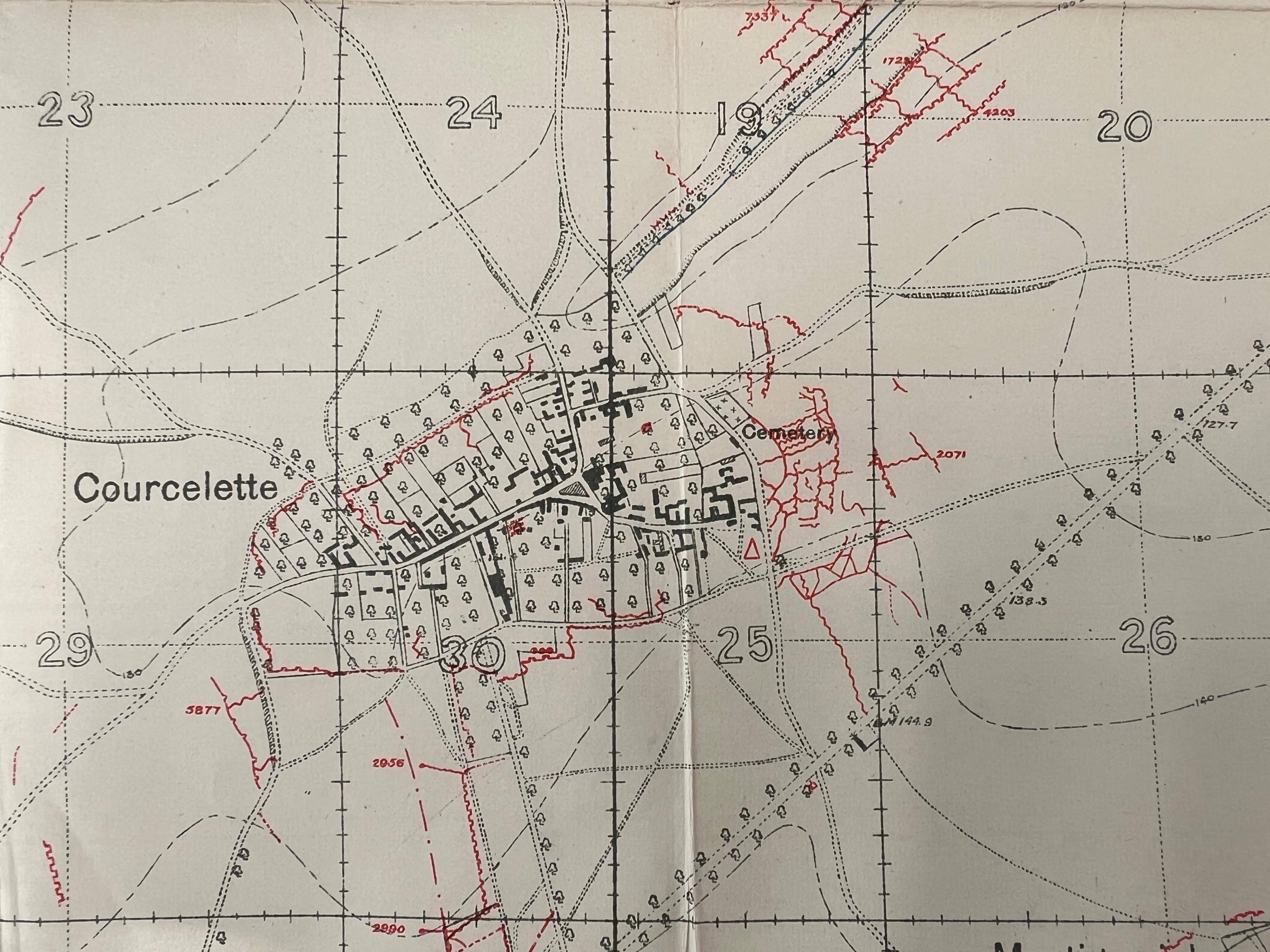
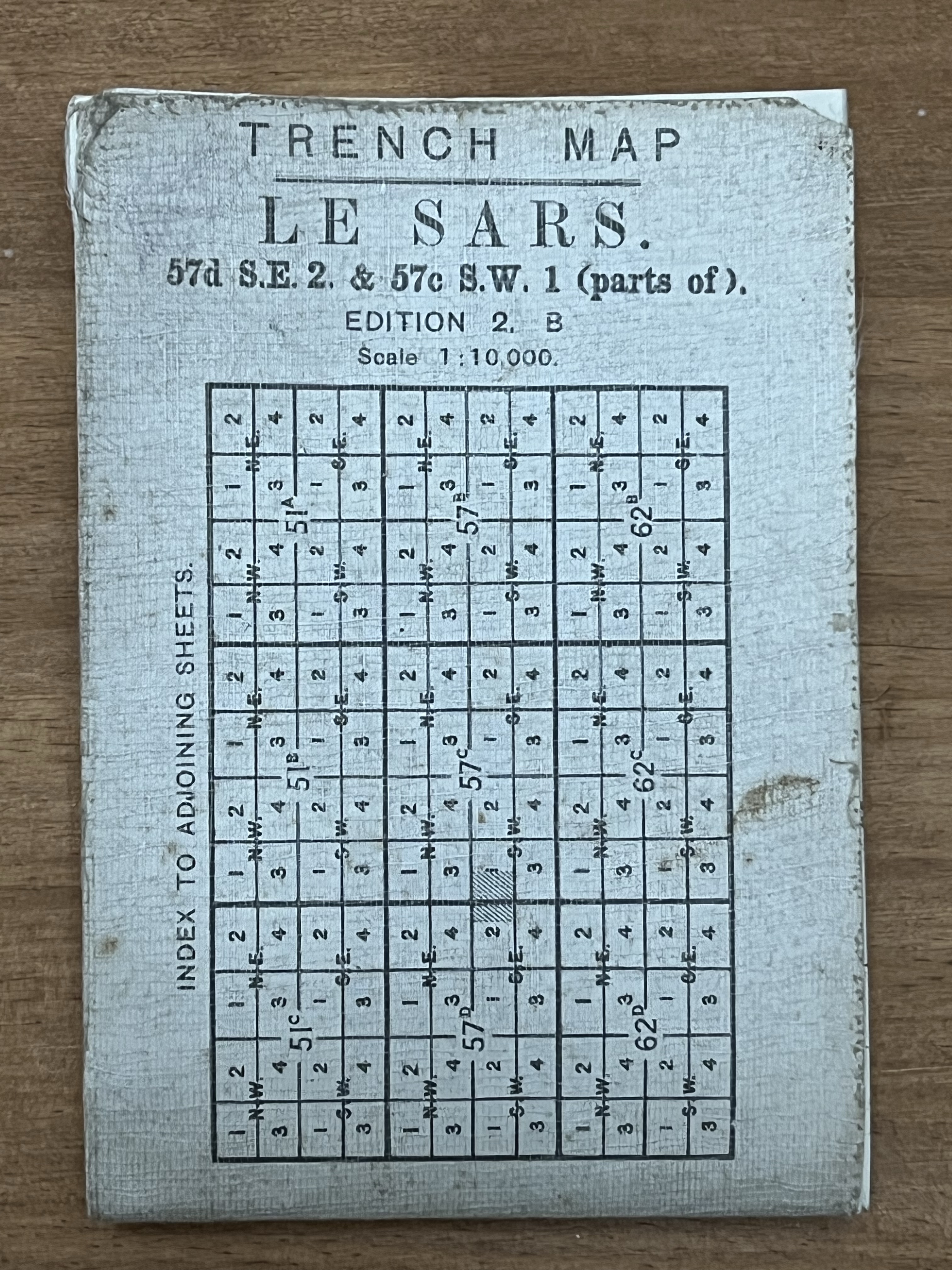
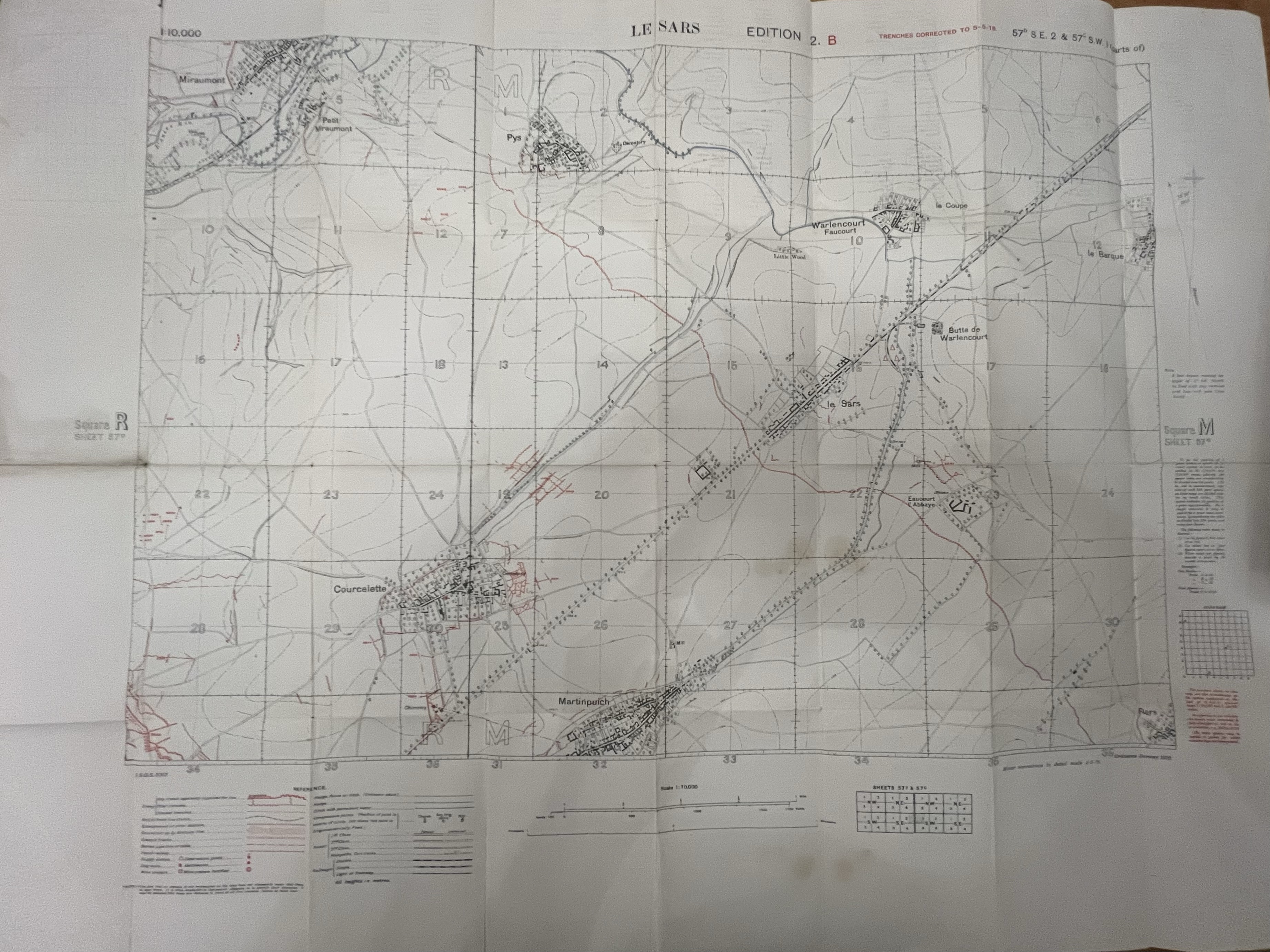
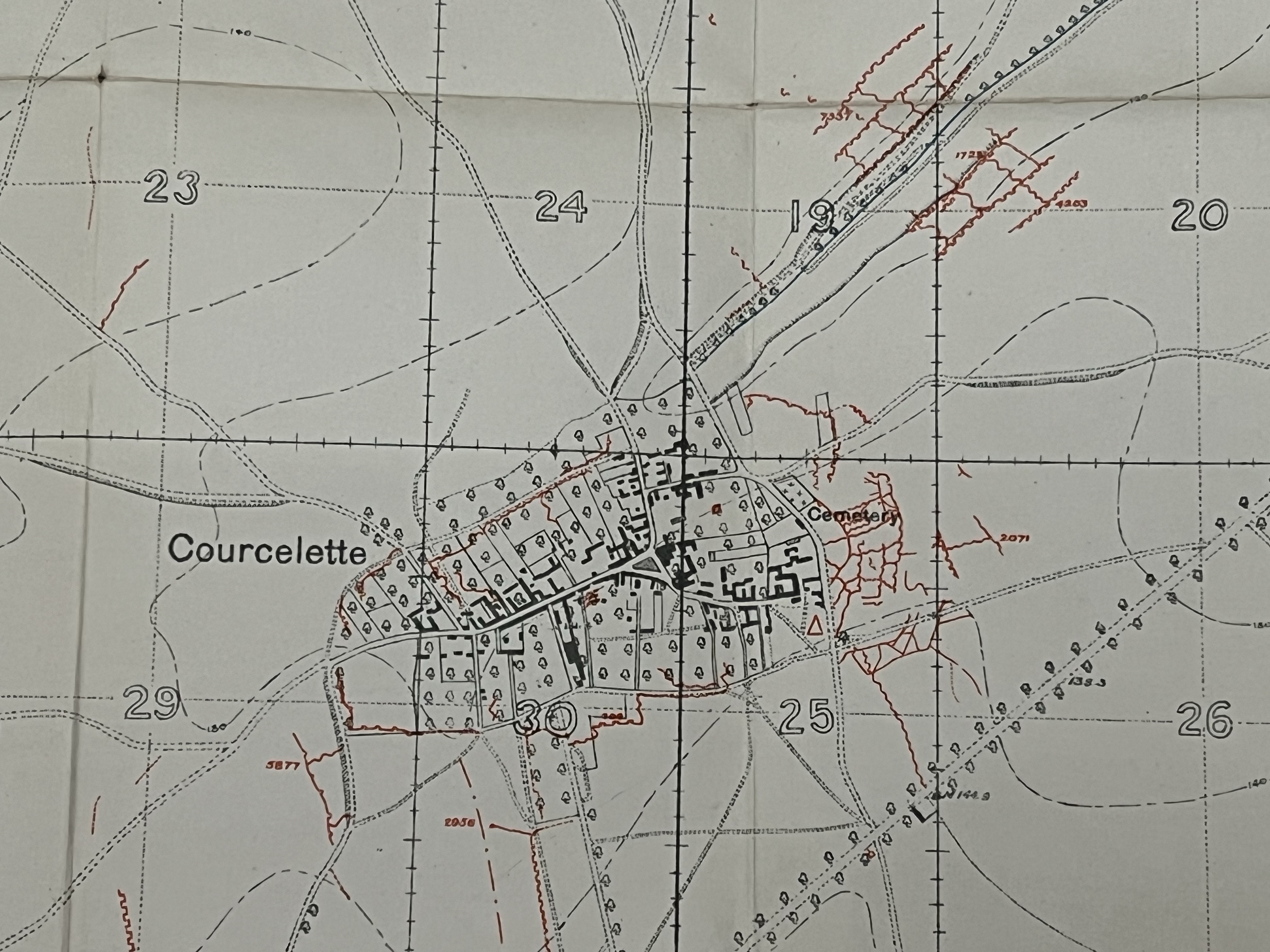
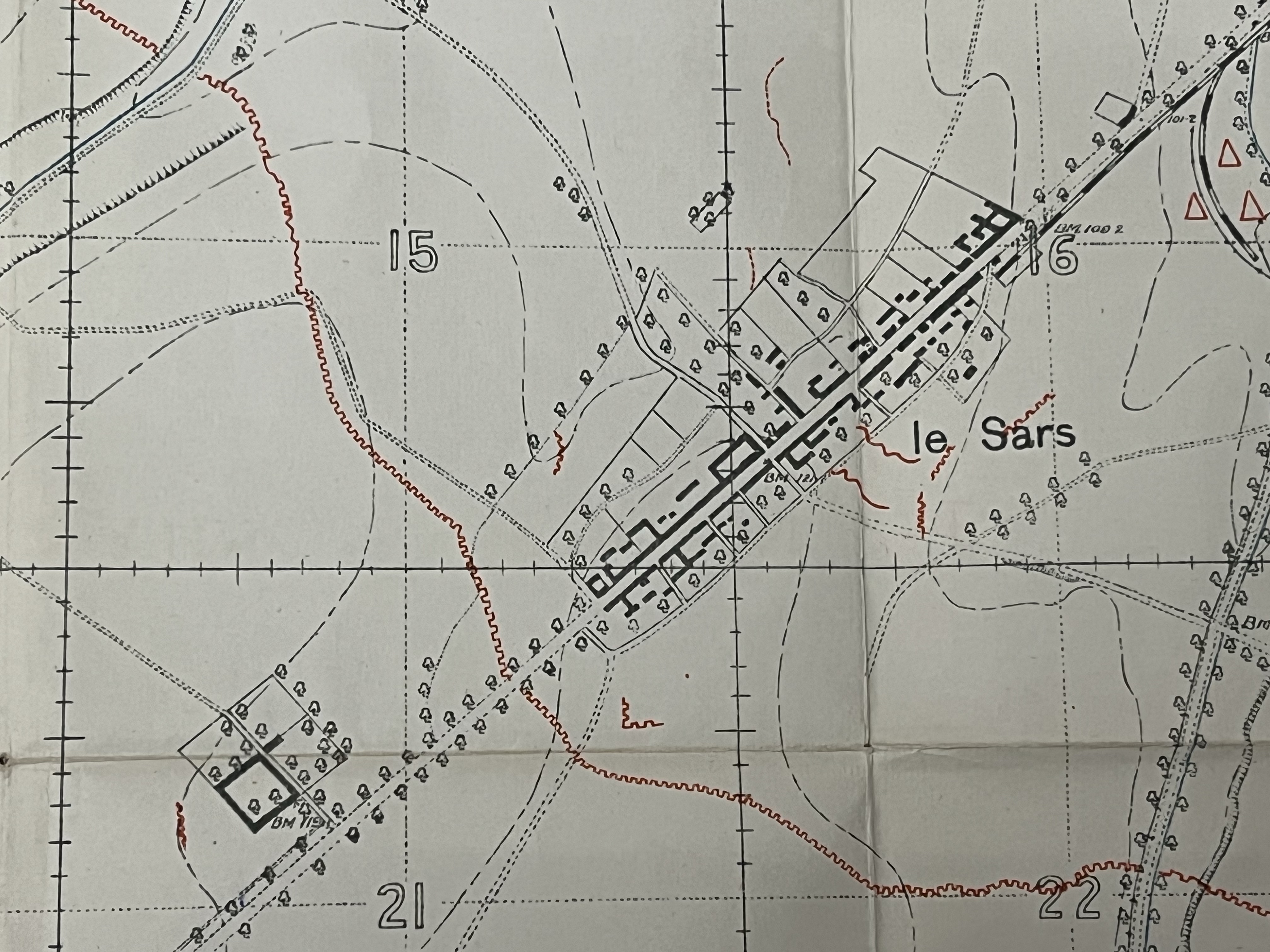
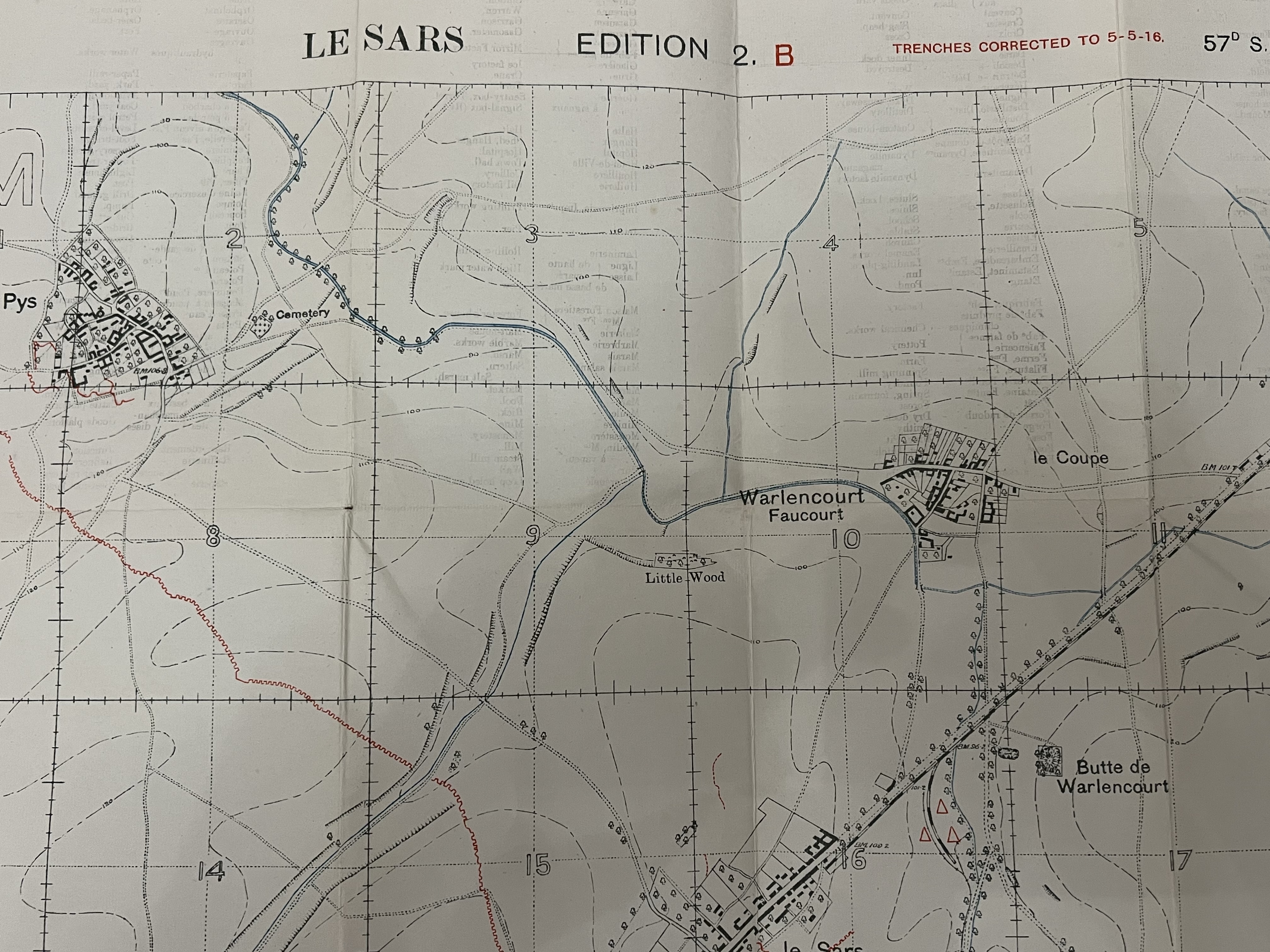
In this latest episode of Despatches, we examine an original Trench Map from the Battle of the Somme in 1916, showing the battlefield around the village of Courcelette where the Canadians fought. What are Trench Maps, and what do they tell us about the history and landscape of the Great War?
LINKS:
Book by Peter Chasseaud – Rat’s Alley: Trench Names of the Western Front
WW1 Digital Mapping – Great War Digital
BATTLEFIELD MAP:
Podcast Extras:
20 Comments on “Despatches: Somme Trench Map”
Leave a comment


 Old Front Line
Good little episode about a place which I know is important to you and for the wider background to trench maps. Many thanks
LikeLiked by 1 person
Thank you, John!
LikeLike
Nice one…maps are so important to our understanding of any fighting!
LikeLiked by 1 person
They are indeed!
LikeLike
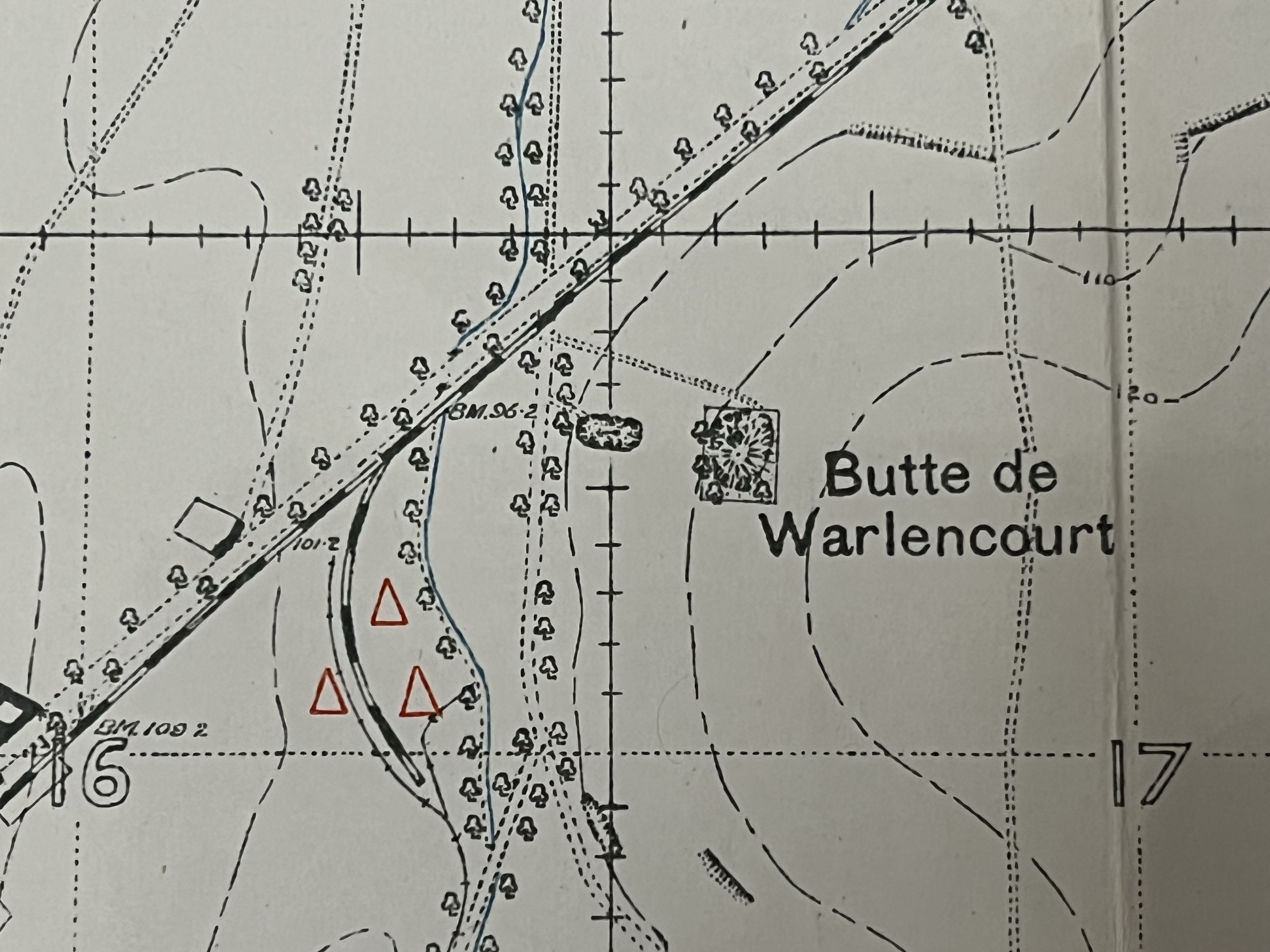
Great discussion again, Paul. Thank you for that. What do the red triangles denote on the map?
Burke🇨🇦
LikeLike
Excellent Despatches. The study of Trench Maps is so fascinating!
Thanks Paul!
Bill Peterson
LikeLike
Thank you, Bill!
LikeLike
I just love Trench Maps, bought the book “Rats Alley” quite early in my research about the Swedish born soldiers, and I use it a lot, when looking through the diaries. One of the first soldiers I looked into fell around Regina trench, and that region is very special to walk in. Thank you for a very nice episode, Paul!
LikeLiked by 1 person
Thanks, Jocke! Those maps are so useful, and so special too!
LikeLike
Another fascinating podcast, Paul. However it still leaves me in ignorance on a number of obviously important points about trench maps…..How did we know in such detail the layout of the German trenches in Courcelette, when you mentioned that it was originally so far behind the lines? Purely through aerial photography?
I also look at a trench map of a battlefield in a book and every one has an English name…..did we give the German trenches names before ever an attack was made?
I sincerely hope that you will devote a future episode to this subject again, with some very basic information for people like me..!
LikeLiked by 1 person
Hi Henry – I did mention how the British used air photos to make these maps but that’s only part of the story and there will be a full episode on mapping in the future. It’s too big for a Despatches!
LikeLike
Thank you for another engaging podcast, Paul.
Please forgive me if I have missed it in your podcast library, but with reference to the young 16 year-old Canadian soldier named Lance that you mentioned, did the letter he wrote following his death ever become the subject of (or integrated into) a podcast telling of his experiences?
many thanks…. Matt
LikeLiked by 1 person
I’ve mentioned the story in a previous Courcelette podcast but I’ll do something more fully on him down the line.
LikeLike
excellent as always thanks
LikeLiked by 1 person
Thanks, Mick.
LikeLike
Thanks Paul, another great episode. Helps to crystallise the often sparse information on a Trench Map with the important personal stories and of that related to the landscape of the old front line. Mike
LikeLiked by 1 person
Thank you, Mike.
LikeLike
An excellent podcast, “Tales from the map room” pales in comparison! Although I’ve heard/read it before, Lance Cattermole’s account is always very disturbing. No wonder he was troubled in later life.
LikeLiked by 1 person
Another excellent podcast. When you do the fulll length podcast about trench maps, I would be interested in the production and distribution of the trench maps. Later in the war when the maps were more widely distributed, this must have been a massive job.
Thanks for your great work.
LikeLiked by 1 person
Thanks, yes that’s a good shout. It’s such a fascinating subject!
LikeLike