Old Front Line
WW1 Podcast with Paul Reed
Return to the Silent Cities
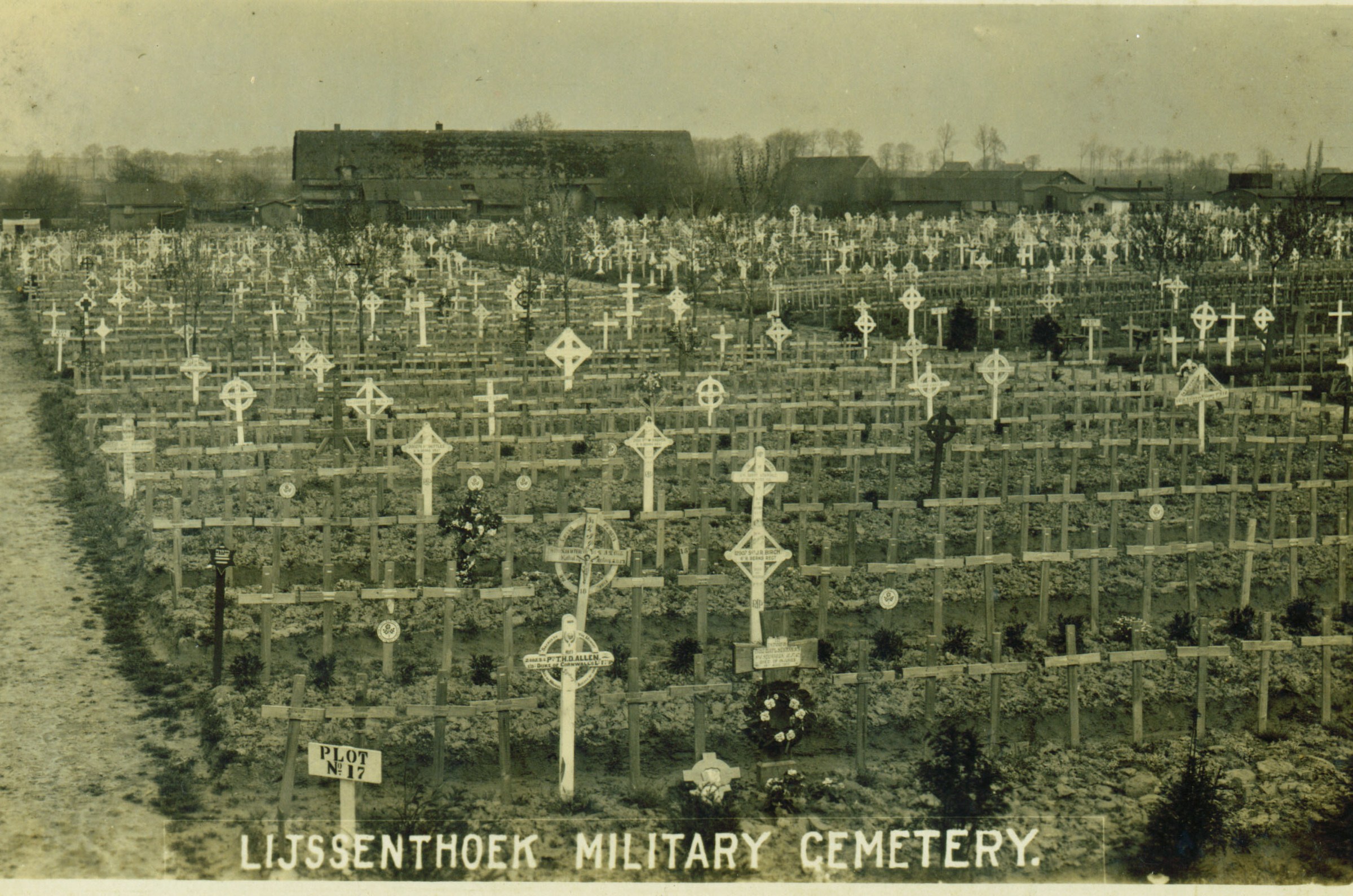
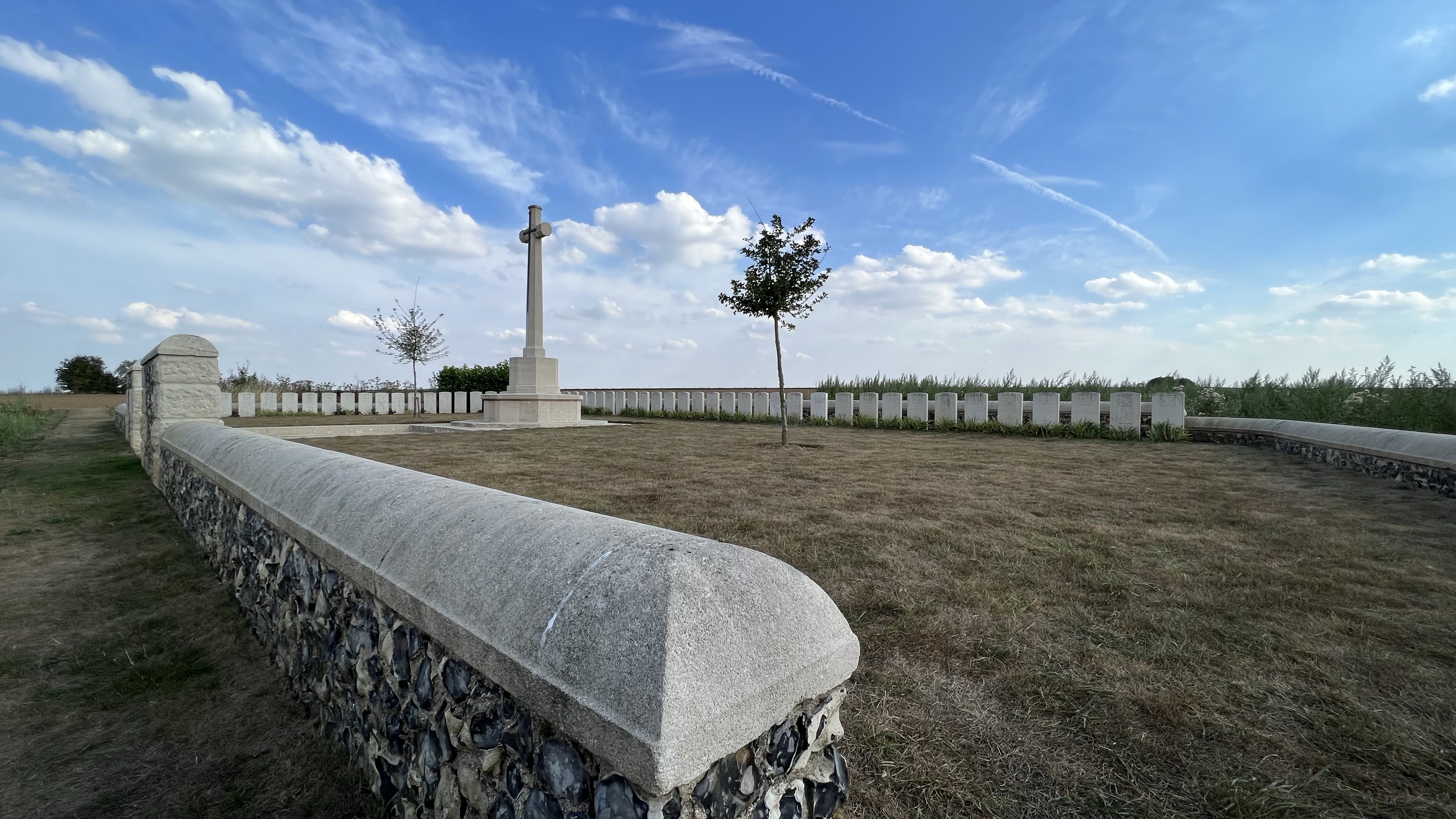
Following a battlefield tour looking at the early work of the Imperial War Graves Commission and the establishment of the permanent cemeteries across Belgium and France, we examine some keys sites connected to the Soldier’s Cemeteries of the Great War, what Rudyard Kipling called ‘The Silent Cities’.
Link to the Commonwealth War Graves Commission Foundation: CWGC Foundation.
BATTLEFIELD MAP: ARRAS TO THE SOMME
BATTLEFIELD MAP: YPRES
Due to a WordPress/Google Bug, the website can’t display more than one map. This map can be found here:
https://goo.gl/maps/E1fK5iUK98nfCs3v9
RECOMMENDED READING:


Podcast Extras:





11 Comments on “Return to the Silent Cities”
Leave a comment


 Old Front Line
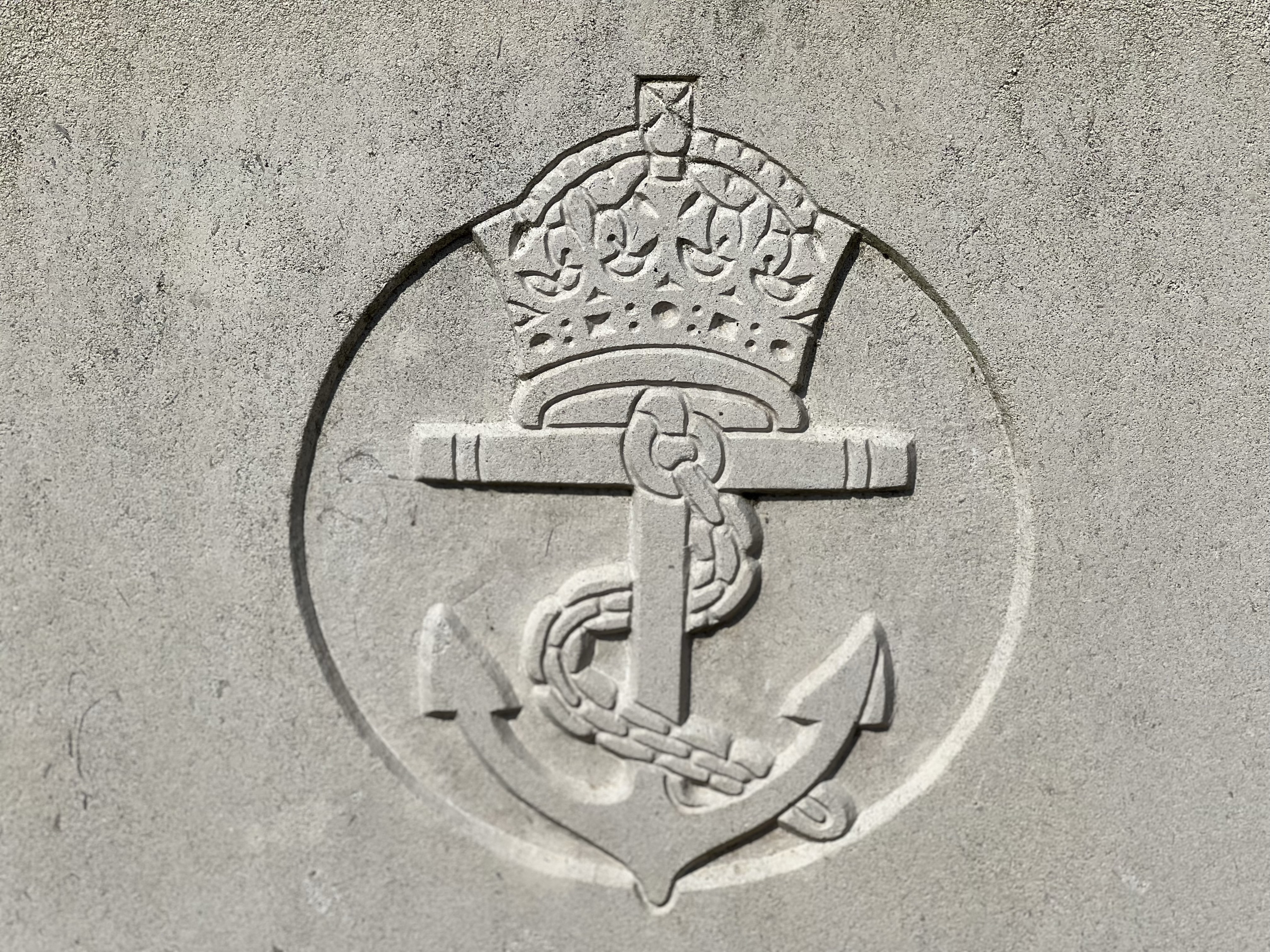
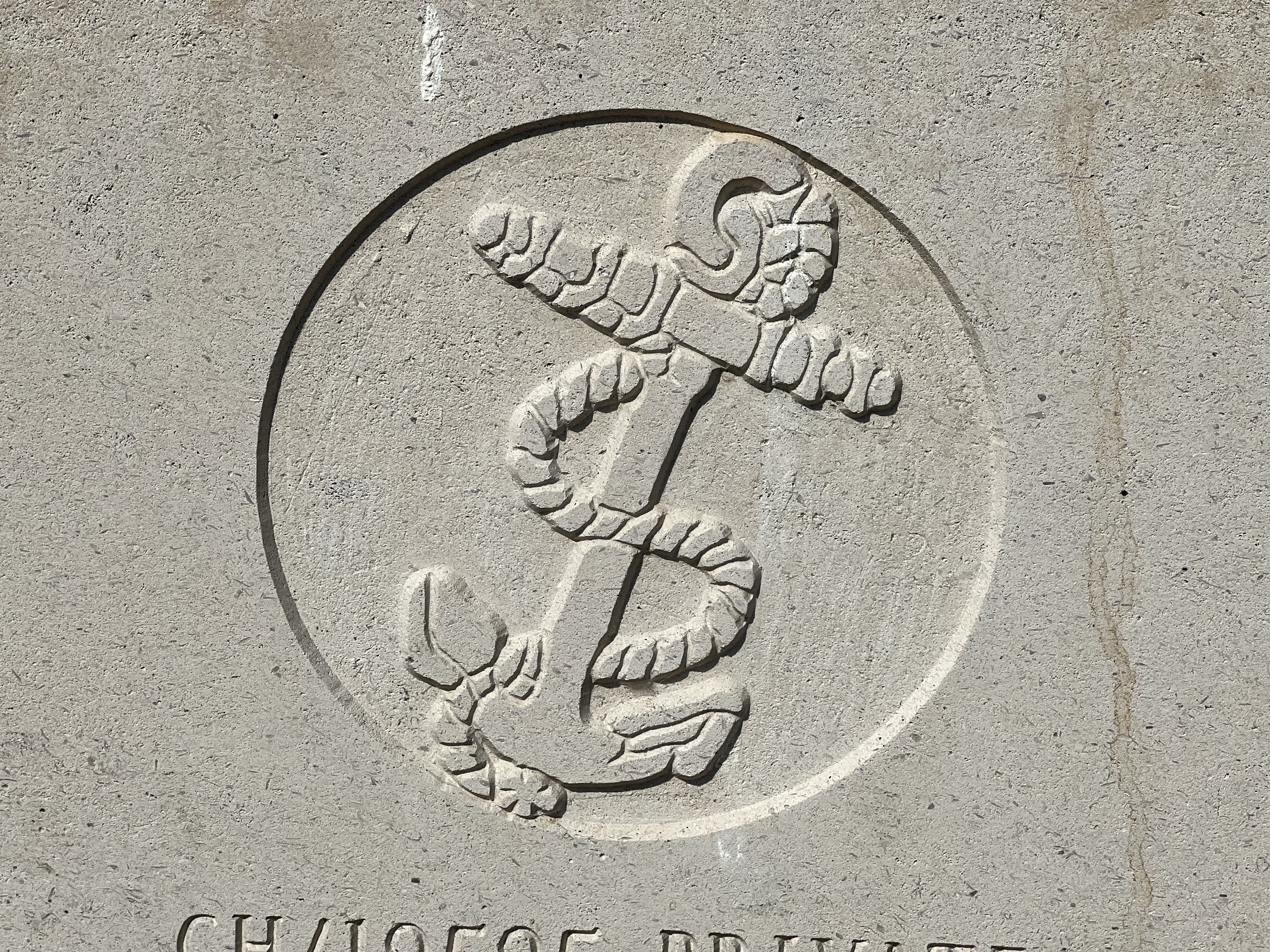
Great listen once again, thank you. There is one question that I have wonder about for many years and seeing you photos has again pricked my interest. Is there any significance to the anchor being upright or at an angle on the navel headstones? Keep up the good work.
LikeLiked by 1 person
I don’t know of a specific meaning behind the anchor but I’m sure there is one!
LikeLike
It’s called a Killick which means a fouled anchor, also the rate badge of a leading hand (which I wore in the 80’s), the fouled anchor was also the ‘logo’ on RN stationery, crockery etc when I joined in ’73, so I’d imagine back then was the ‘corporate’ badge of the RN
LikeLiked by 1 person
Enjoyed as always Paul! Thank you :-)
LikeLiked by 1 person
Thank you, Matt!
LikeLike
Another excellent episode. The naval badges are interesting, seen a fair few myself, the last one is on the headstone of a Marine, so should have had a Globe and Laurel rather than a fouled anchor.
LikeLiked by 1 person
As you’ve found, there are so many anomalies with the RND!!
LikeLike
As an RN veteran I’d say ‘different ships, different cap tallys’ but very interesting I always seek out RND graves must go and see these
LikeLiked by 1 person
Hi Paul. Thanks for the latest podcast, fascinating as always. One thing I picked up on was the comment about the different font used in the early cemetery at Forceville, something that stood out quite sharply to us when we there last year. It also reminded me that Max Gill, who designed the lettering eventually adopted by the Commission, lost his brother, Kenneth in the war. Kenneth, killed when his aircraft crashed in October 1918, is buried in Fillievres Cemetery, his brothers work engraved on the headstone above his grave…
LikeLiked by 1 person
Thanks, Neil. And yes good point about Mad Gill and his brother.
LikeLike
Another fascinating podcast. Great to hear about the work of the CWGC Foundation.
LikeLiked by 1 person