Old Front Line
WW1 Podcast with Paul Reed
Thunder in the Mountains with Tom Isitt
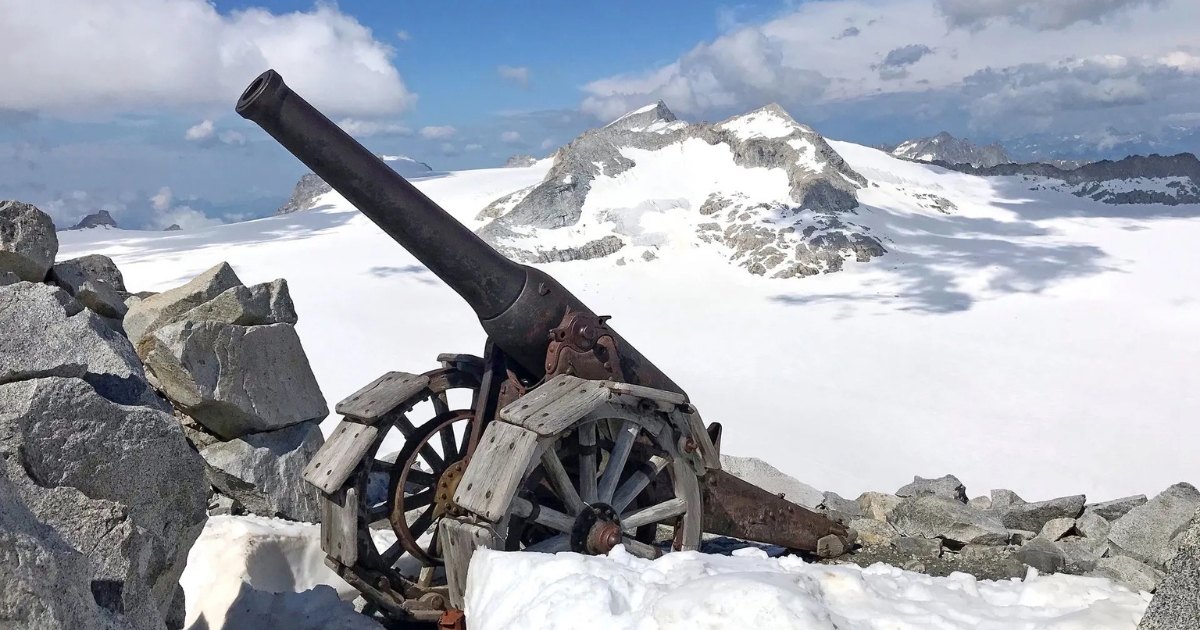
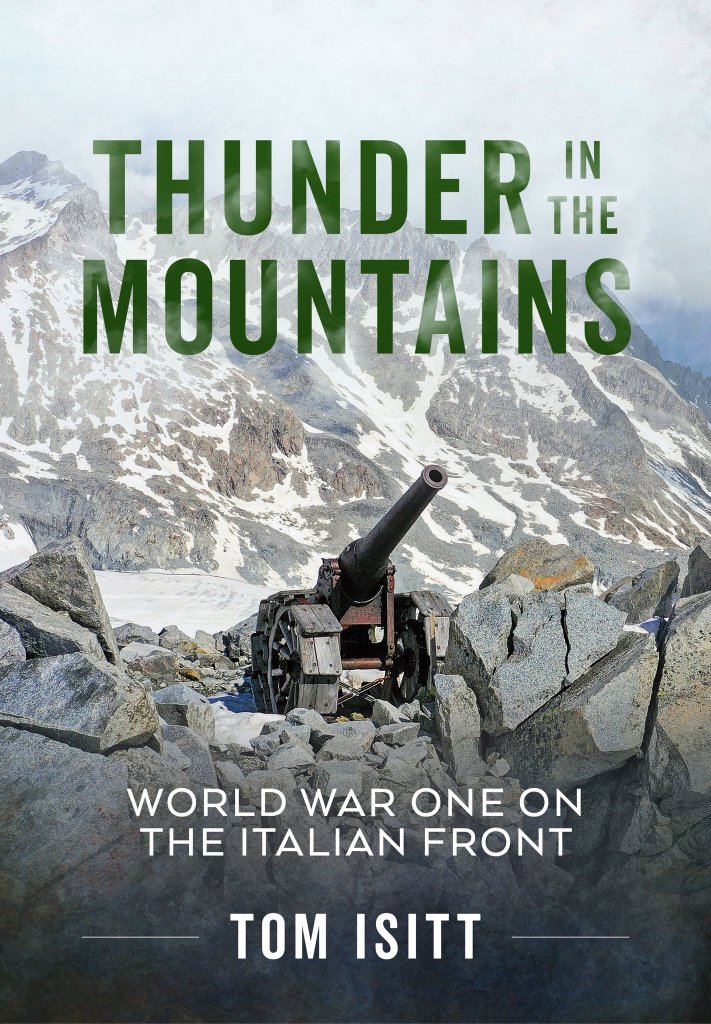
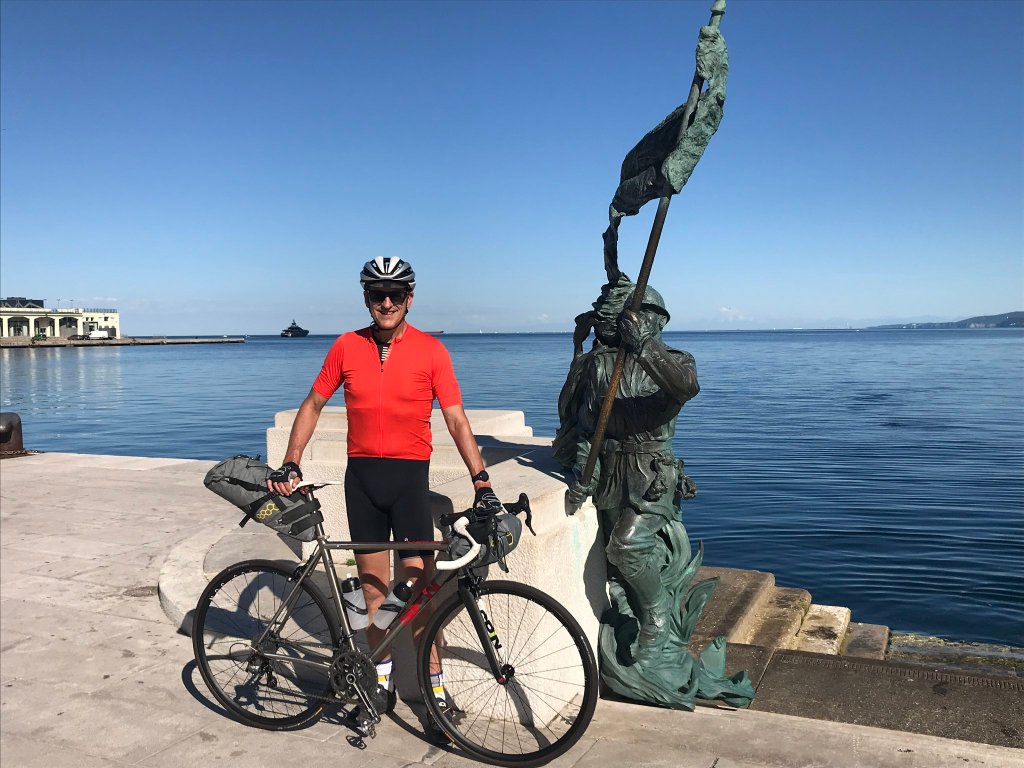
In this special edition of the podcast we explore a lesser-known theatre of conflict from the First World War in Northern Italy with historian Tom Isitt. Tom’s new book – Thunder in the Mountains – follows a journey he made across those battlefields and with him we discover the unique challenges of mountain warfare, the diverse nations involved, and personal stories from the battlefield.
We examine the Battlefields on the Izonzo, discuss some of the highest points of the Great War in the Dolomites and move to the involvement of German troops in Italy, including Erwin Rommel at Caporetto in 1917, and the arrival of British forces who fought here until the end of the war.
You visit Tom Isitt’s website and order the book here: Thunder in the Mountains.
Sign up for the free podcast newsletter here: Old Front Line Bulletin.
You can order Old Front Line Merch via The Old Front Line Shop.
Got a question about this episode or any others? Drop your question into the Old Front Line Discord Server or email the podcast.
6 Comments on “Thunder in the Mountains with Tom Isitt”
Leave a comment


 Old Front Line
Fantastic as usual.
I really enjoyed my visit to the Asiago plateau last year, to trace the Oxf & Bucks. Although not a climber or great hiker, there was plenty to see by driving and a short walk. Stunning scenery!!
LikeLiked by 1 person
Thanks, Kevin!
LikeLike
Fabulous and endlessly fascinating episode. Such an interesting but (from a British viewpoint at least) largely overseen aspect of the Great War. I already have Tom’s book which will now get pushed to the top of my TBR pile.
LikeLiked by 1 person
Thanks, Malcolm!
LikeLike
It’s trite to say that the Italian front is a much overlooked aspect of the Great War, but it is nonetheless true from a British perspective.
This podcast was excellent, highlighting things that I was not aware of. For example Cardona’s Draconian discipline, the poor treatment of PoWs and the poor treatment by the Austria-Hungary of their own troops. I must admit that the punishment that resulted in AH troops having their shoulders dislocated baffled me. How could they be expected to return to duty after that? Surely such a punishment would have been counterproductive?
The decimation aspect made me think that probably thousands of Italian soldiers died this way, but when looking on line, a figure of 750 is quoted, which whole bad enough, is nowhere near the thousands that I expected.
These examples made it for me a disturbing podcast to listen to, but also wanting to find out more. I now know where to look.
LikeLiked by 1 person
Thanks, Stephen. As Tom said, it’s a subject where much more research is needed.
LikeLiked by 1 person