Old Front Line
WW1 Podcast with Paul Reed
Questions and Answers Episode 44
In this episode, we explore the role of British Army Chaplains during the First World War, examining who they were, what duties they performed at the front, and how effective they were in the brutal conditions of the Great War. We also ask whether chaplains are commemorated on their own permanent memorial today.
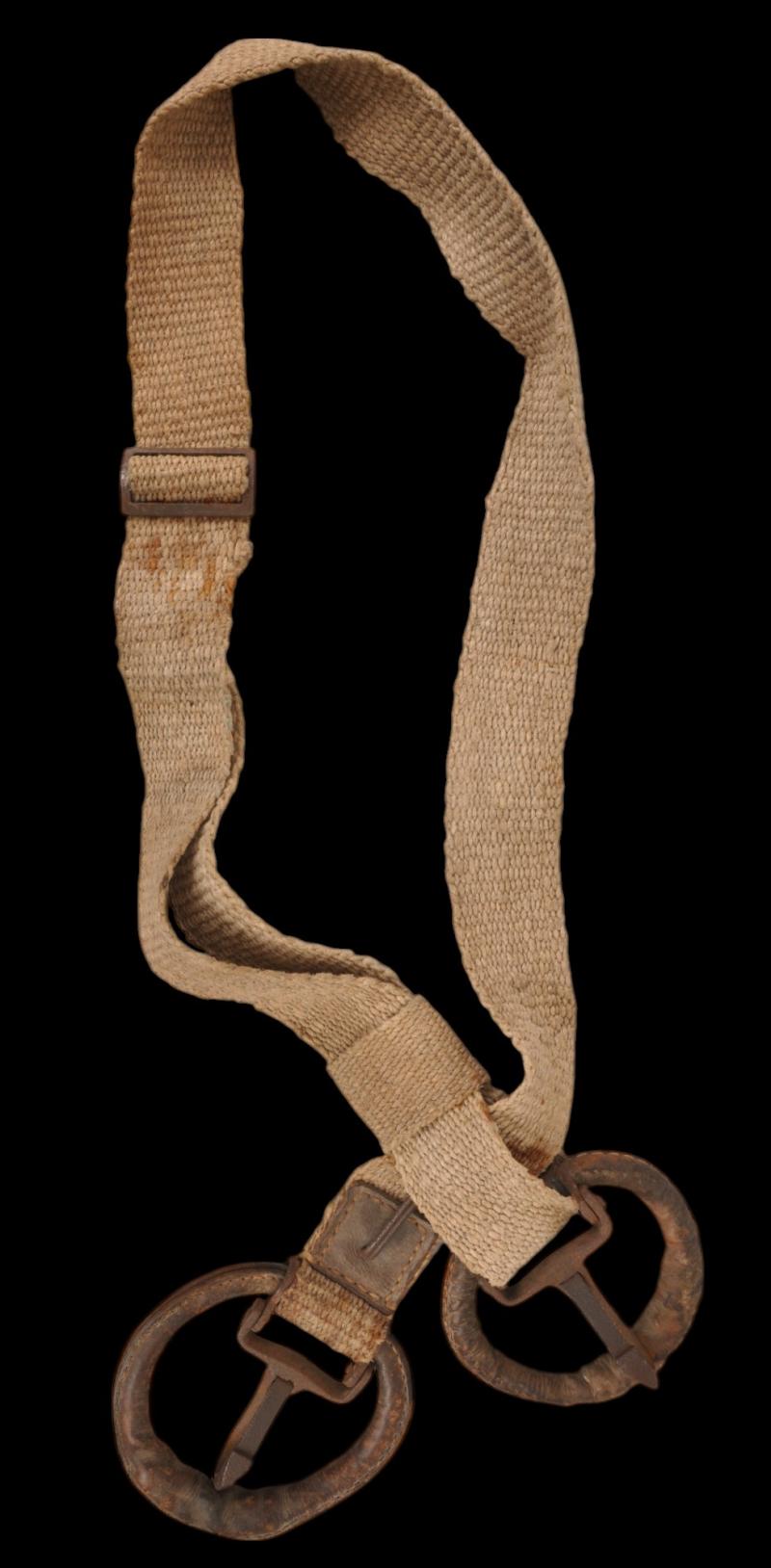
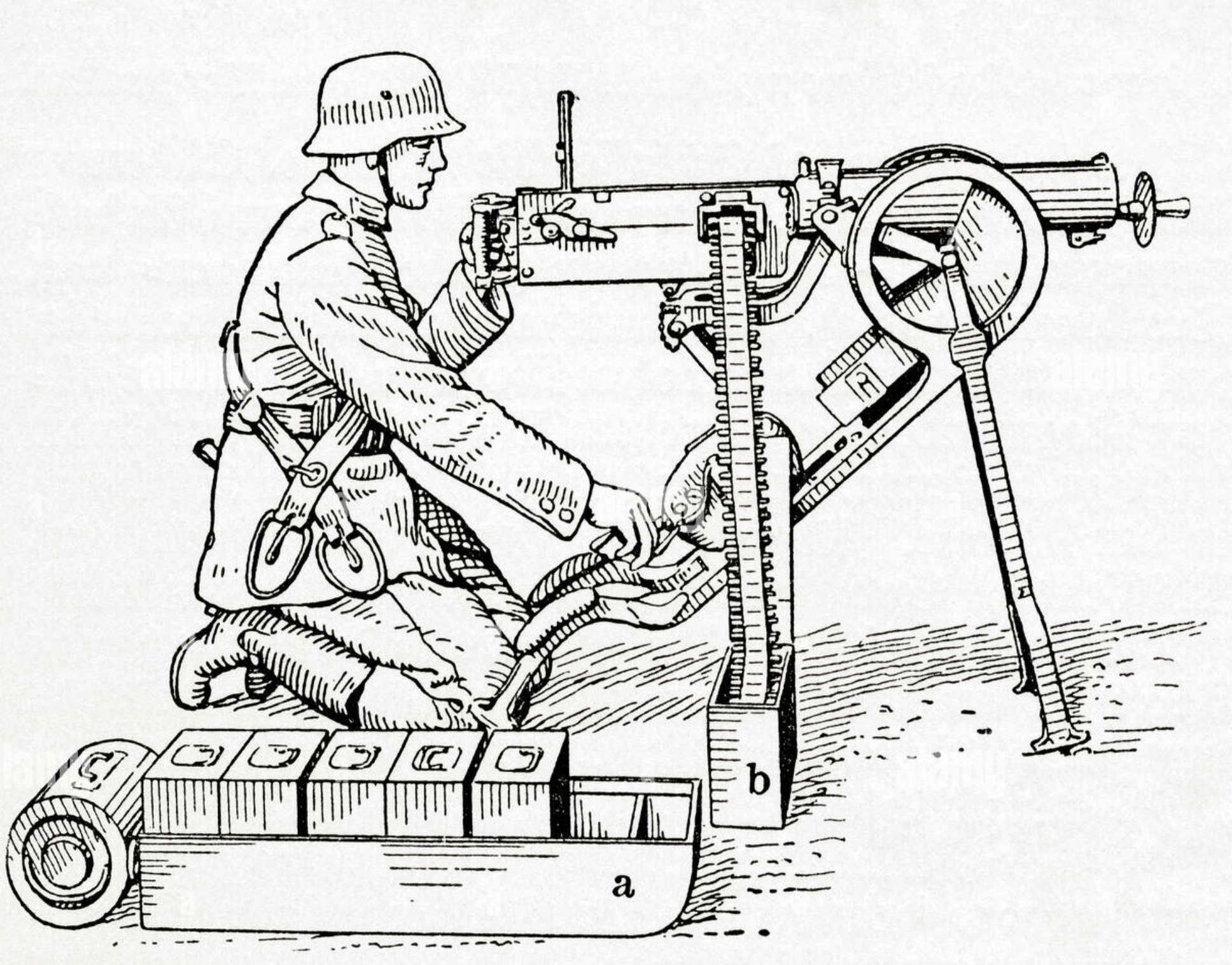
We then tackle a persistent myth of the First World War: were German machine-gunners really chained to their weapons, or was this story a product of wartime propaganda? Using historical evidence, we separate fact from fiction.
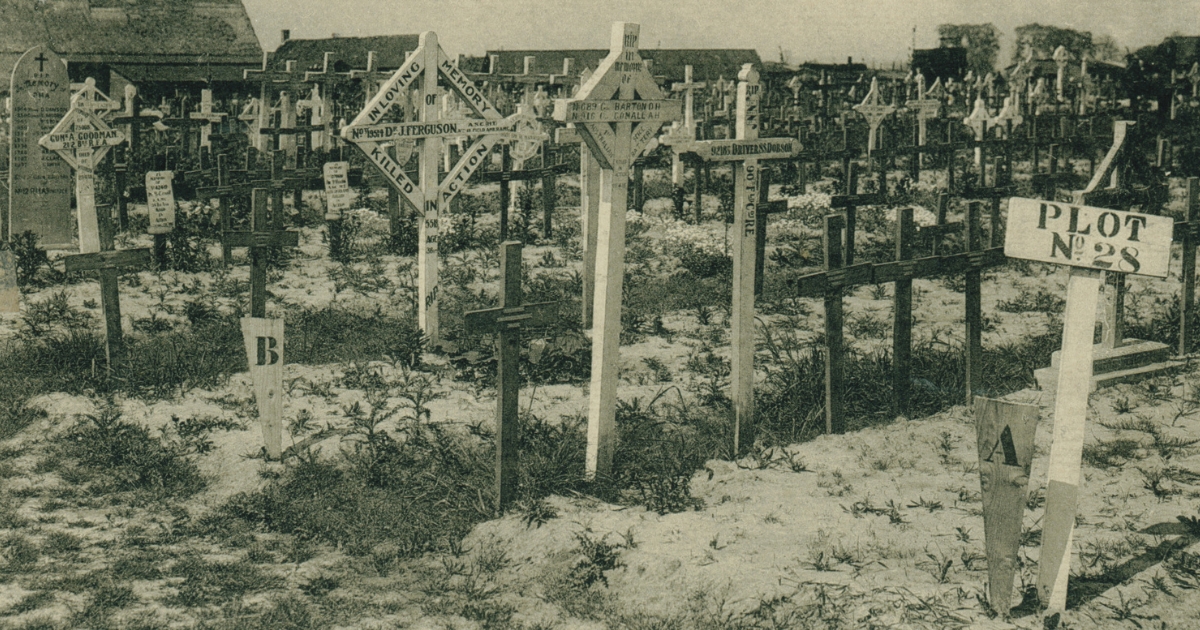
Next, we investigate why certain sectors of the Western Front were far more heavily mined than others, looking at terrain, strategy, and the evolution of trench warfare. Finally, we discuss how war graves were photographed by the Imperial War Graves Commission during and immediately after the conflict, and whether these powerful images still survive in archival collections today.
This episode delves into lesser-known aspects of the Western Front, combining military history, myth-busting, remembrance, and the legacy of the First World War.
Long, Long, Trail website: British Army Chaplains Department.
Book’s on Army Chaplain’s Department:
“Muddling Through: The Organisation of British Army Chaplaincy in World War One” by Peter Howson (Helion 2013)
“God On Our Side: The British Padre in World War One” by Michael Moynihan (Leo Cooper 1983)
Books on Wargrave Photography:
Photographing the Fallen: A Wargraves Photographer on the Western Front by Jeremy Gordon Smith (Pen & Sword 2017)
Sign up for the free podcast newsletter here: Old Front Line Bulletin.
You can order Old Front Line Merch via The Old Front Line Shop.
Got a question about this episode or any others? Drop your question into the Old Front Line Discord Server or email the podcast.
German MG08 Equipment:
4 Comments on “Questions and Answers Episode 44”
Leave a comment


 Old Front Line
You may be interested to know that Fr William Doyle’s name has been put forward for canonisation. Fr Doyle was a heroic Irish Roman Catholic chaplain during WWI who was killed in the battle of Ypres on August 16th 1917. Liz McKernan
>
LikeLike
While the idea of troops being chained to machine guns may have a kernel of truth in some instances, for the most part I agree that it is a propaganda trope that has been used in other wars of the 20th Century to diminish or ‘other’ the enemy.
Given our losses in both World Wars I can’t see how we would have regarded the German soldier as anything other than a brave, resourceful and redoubtable enemy. I remember watching an interview with Lt-Gen Horrocks ( who commanded XIII and XXX Corps in WW2) in the 1970s where he said that he would rather have a German soldier fighting with him than against him. Not the sort of soldier that you would expect to be chained to his machine gun to prevent him from running away!
LikeLike
Episode 4 – A book by the rev James Duncan M.A., CF who was chaplain to the 16th Battalion KRRC (C.L.B.) the Churchman’s Battalion. With the C.L.B. Battalion in France. Not the easiest read but an interesting first hand account. I have as personal connection as the rev Duncan became vicar at St Cuthbert’s, Blaydon, where my father was an officer in the Church Lads Brigade.
LikeLiked by 1 person
Thanks for this, Alan.
LikeLike