Old Front Line
WW1 Podcast with Paul Reed
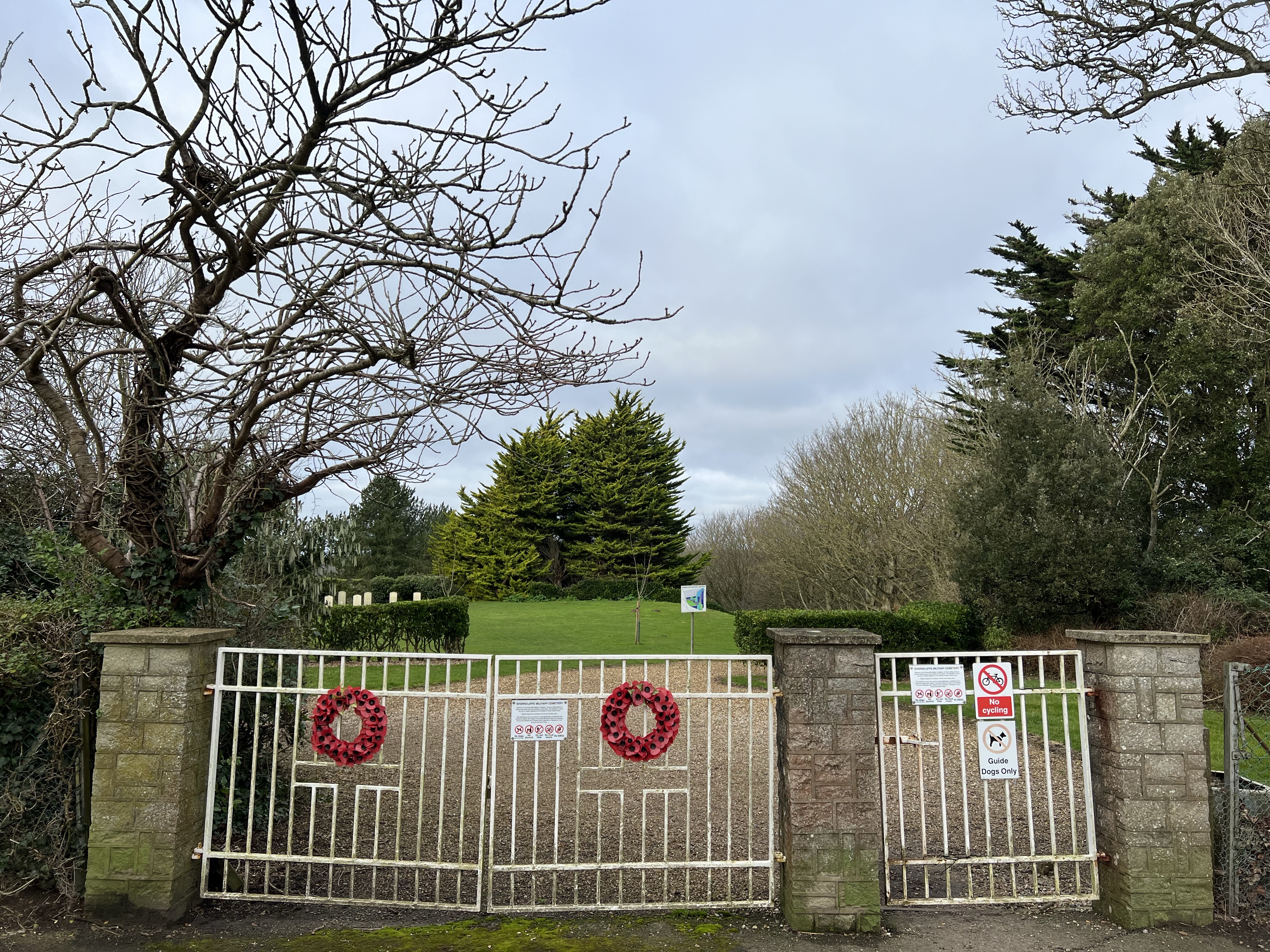
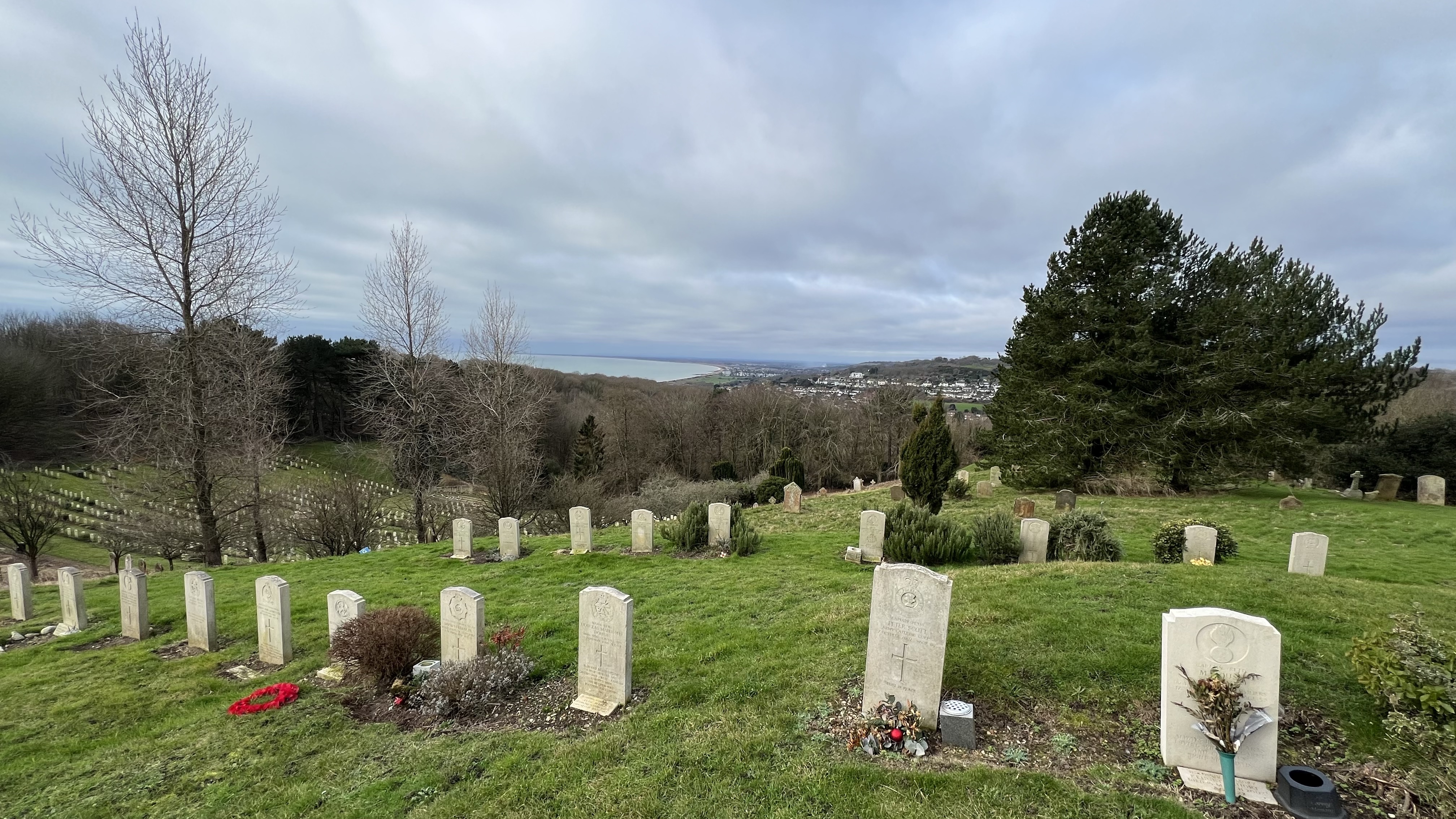
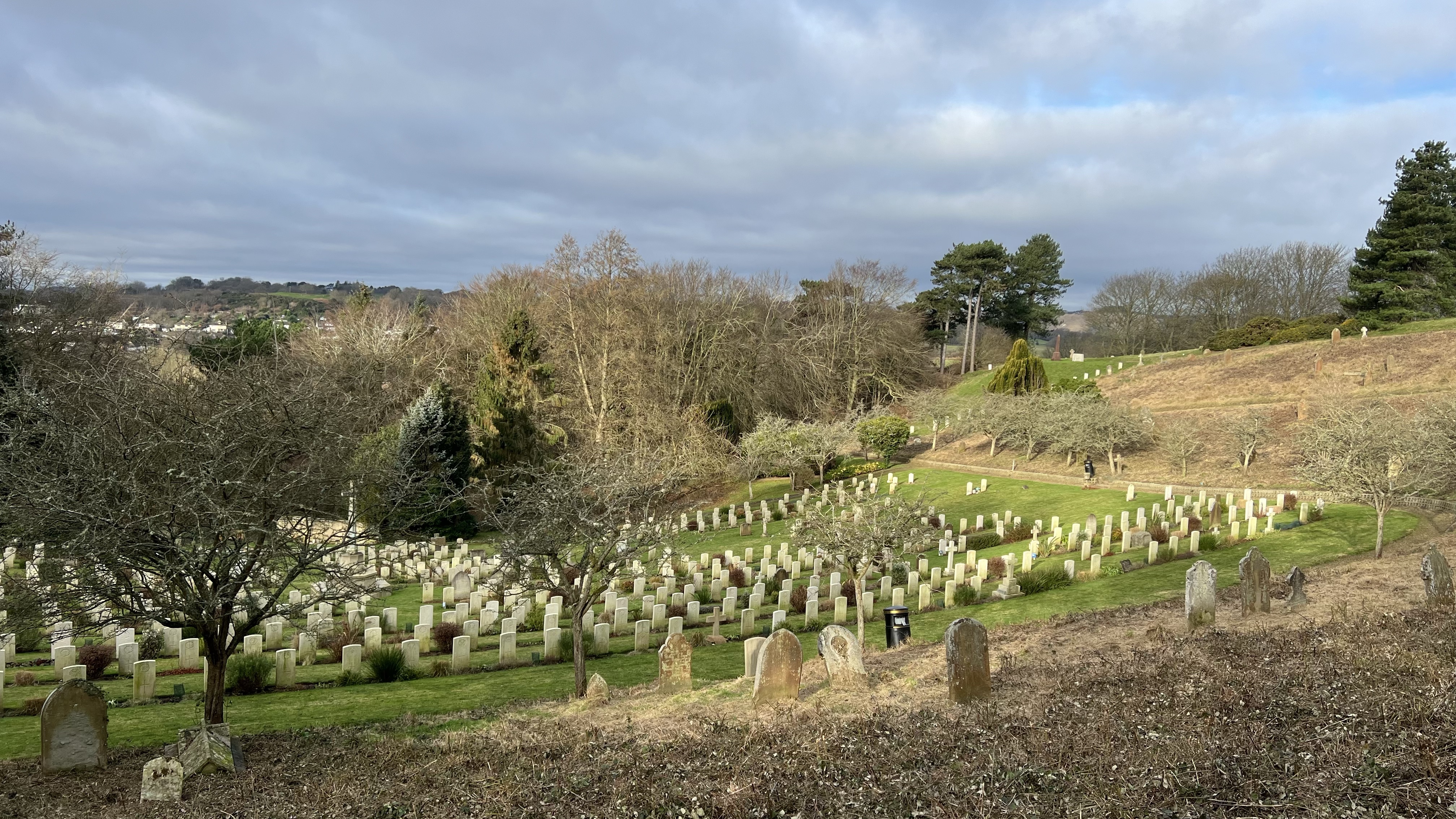
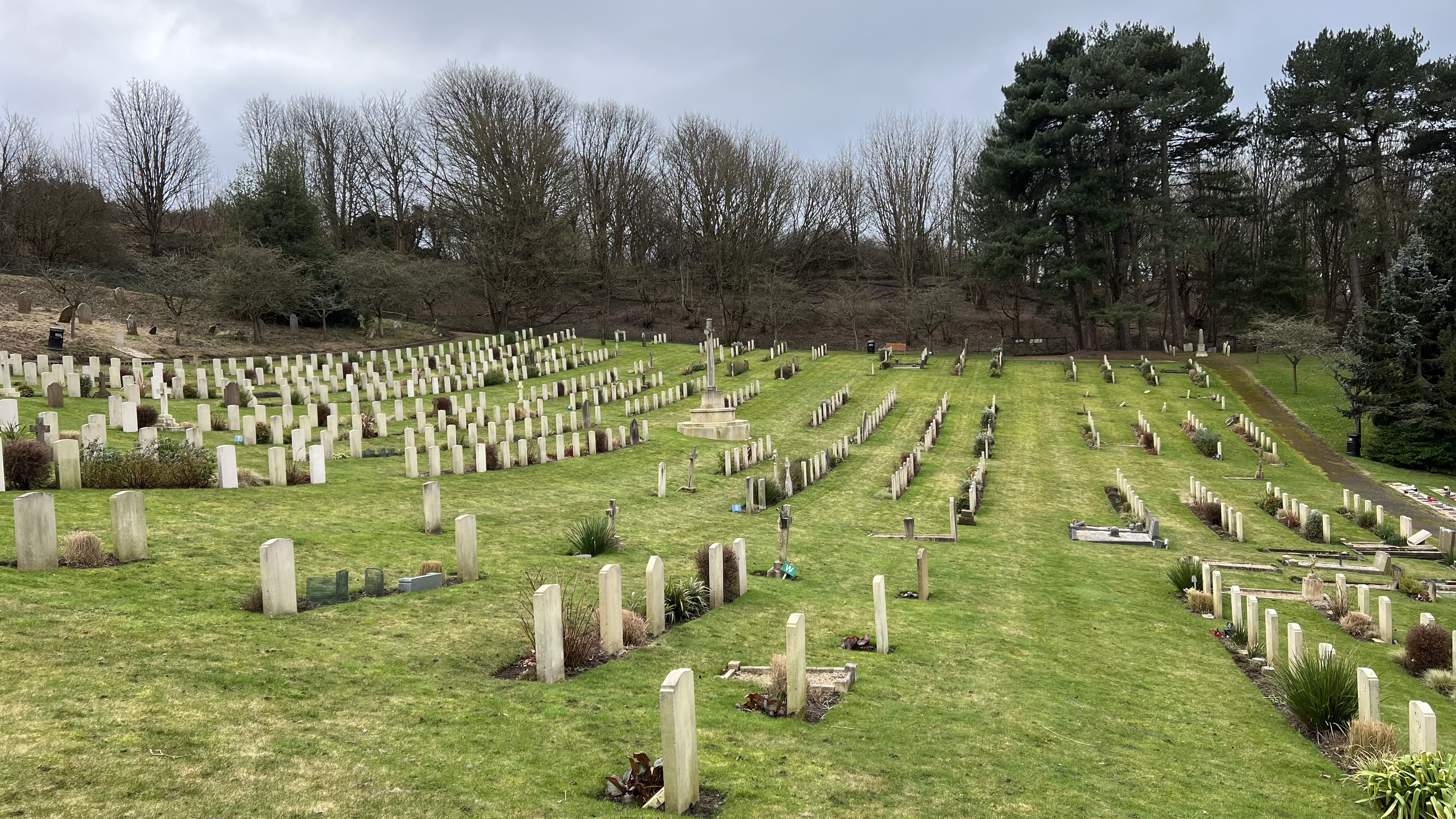
WW1 At Home: Shorncliffe Cemetery
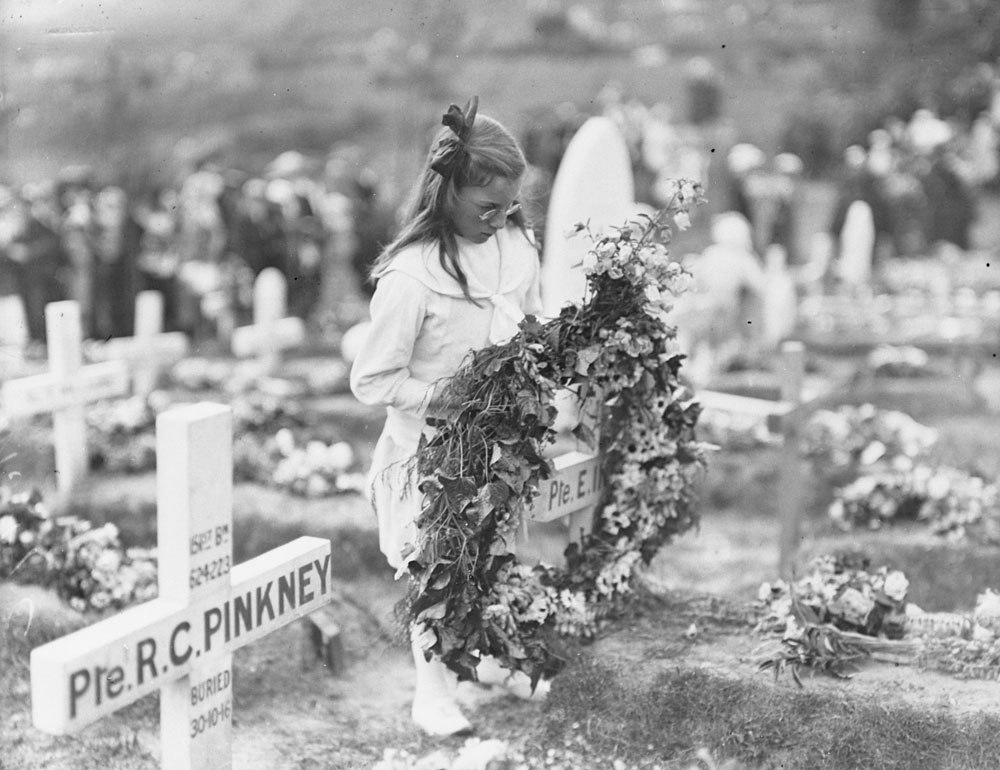
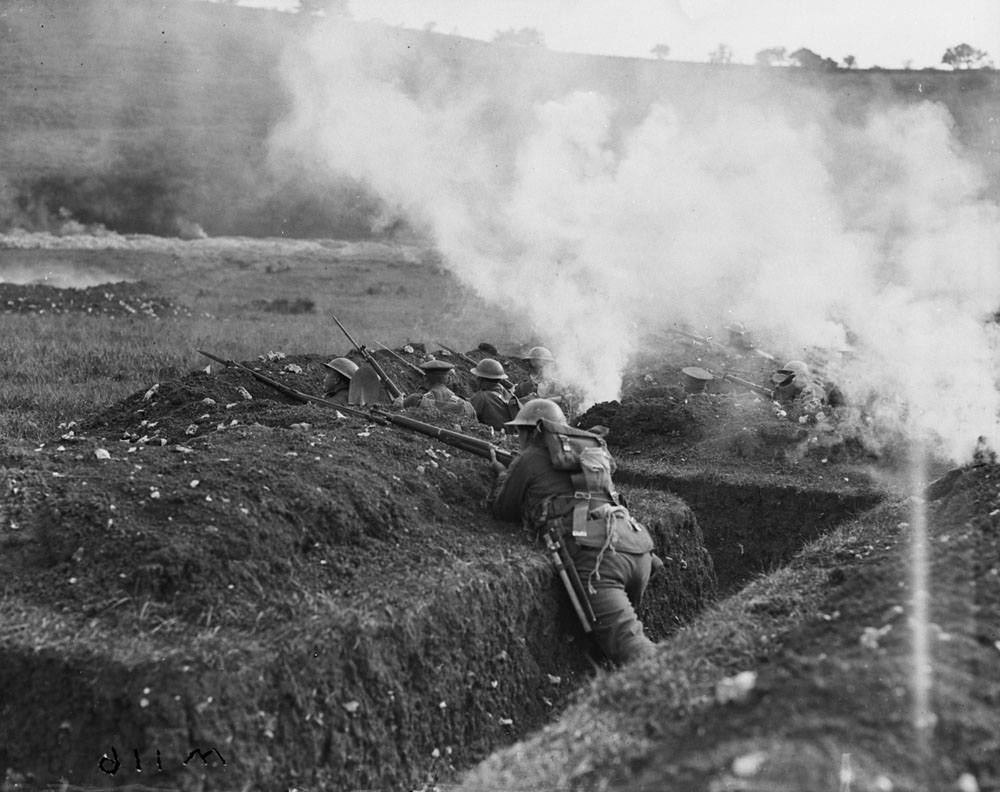
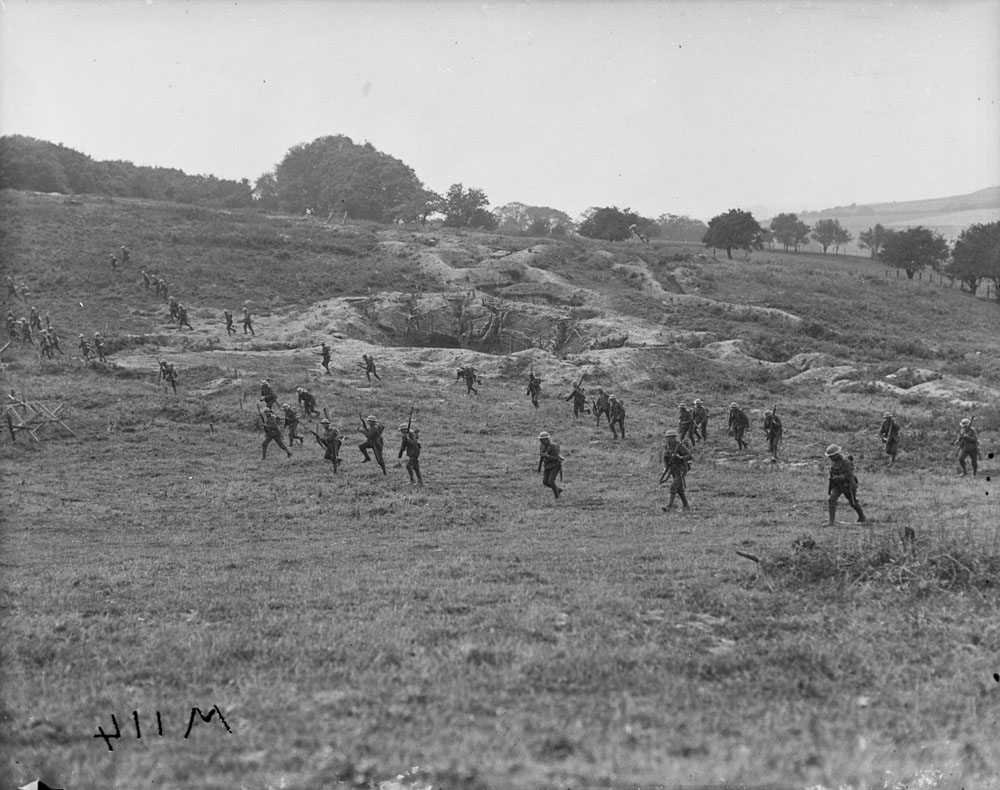
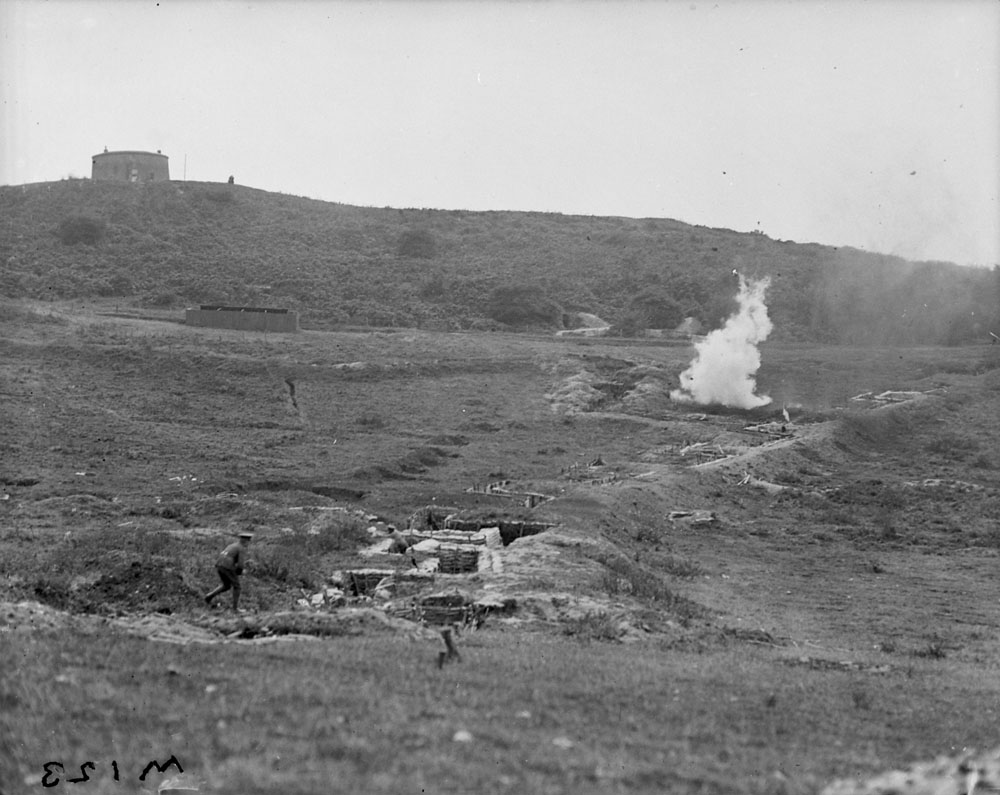
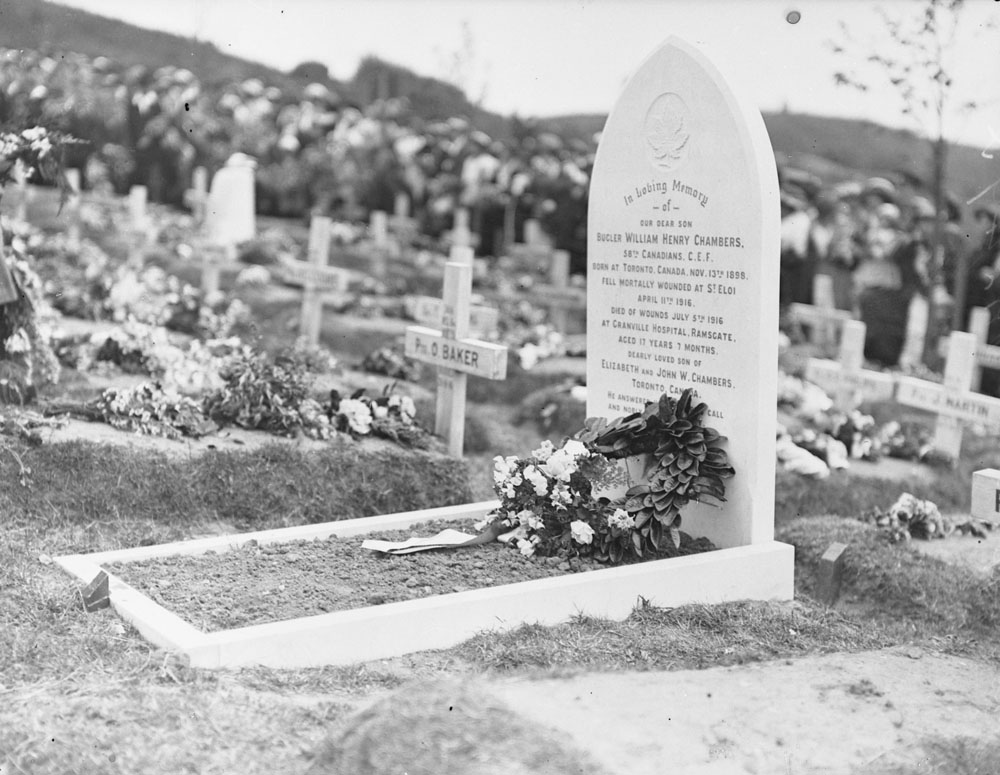
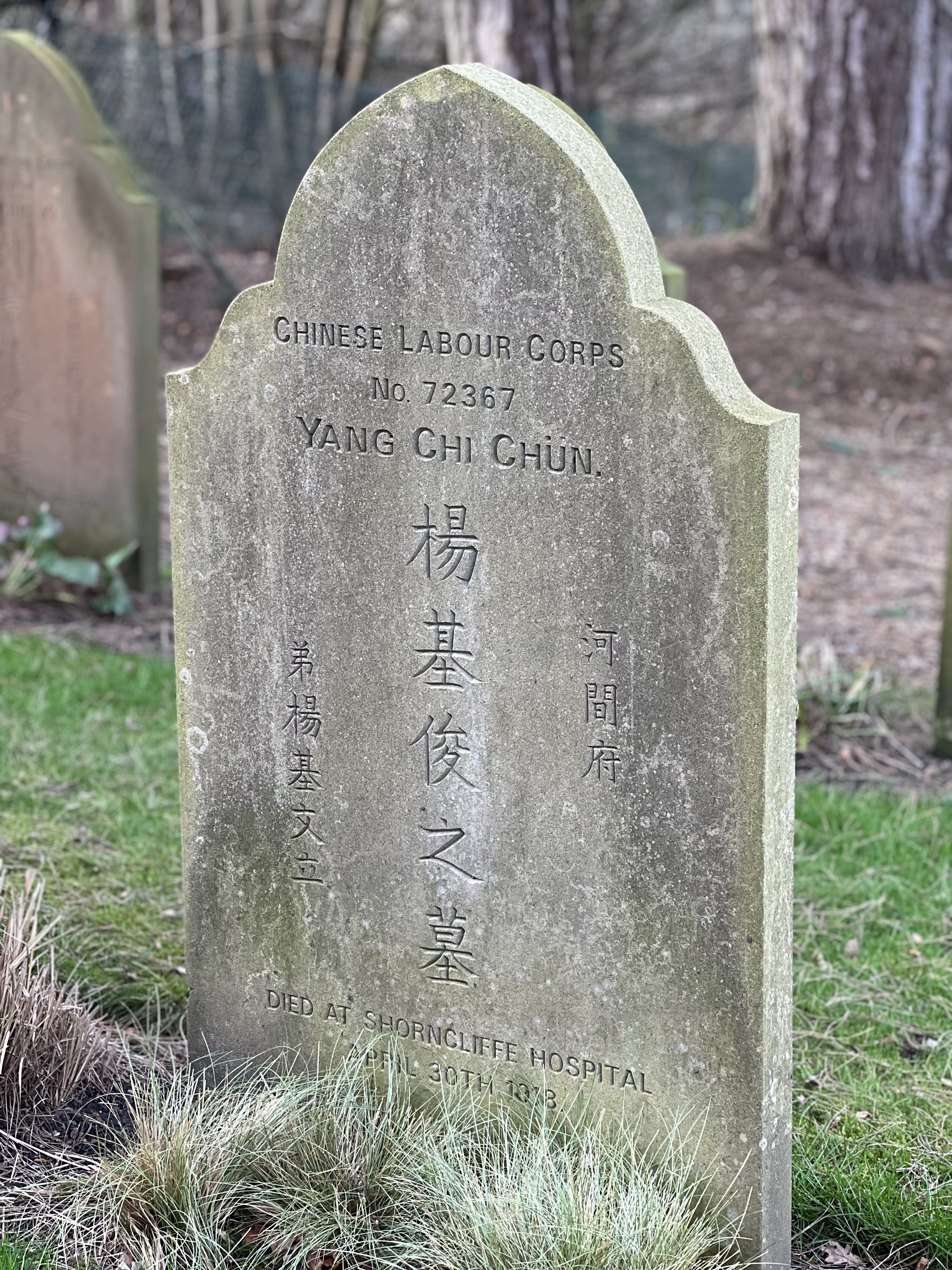
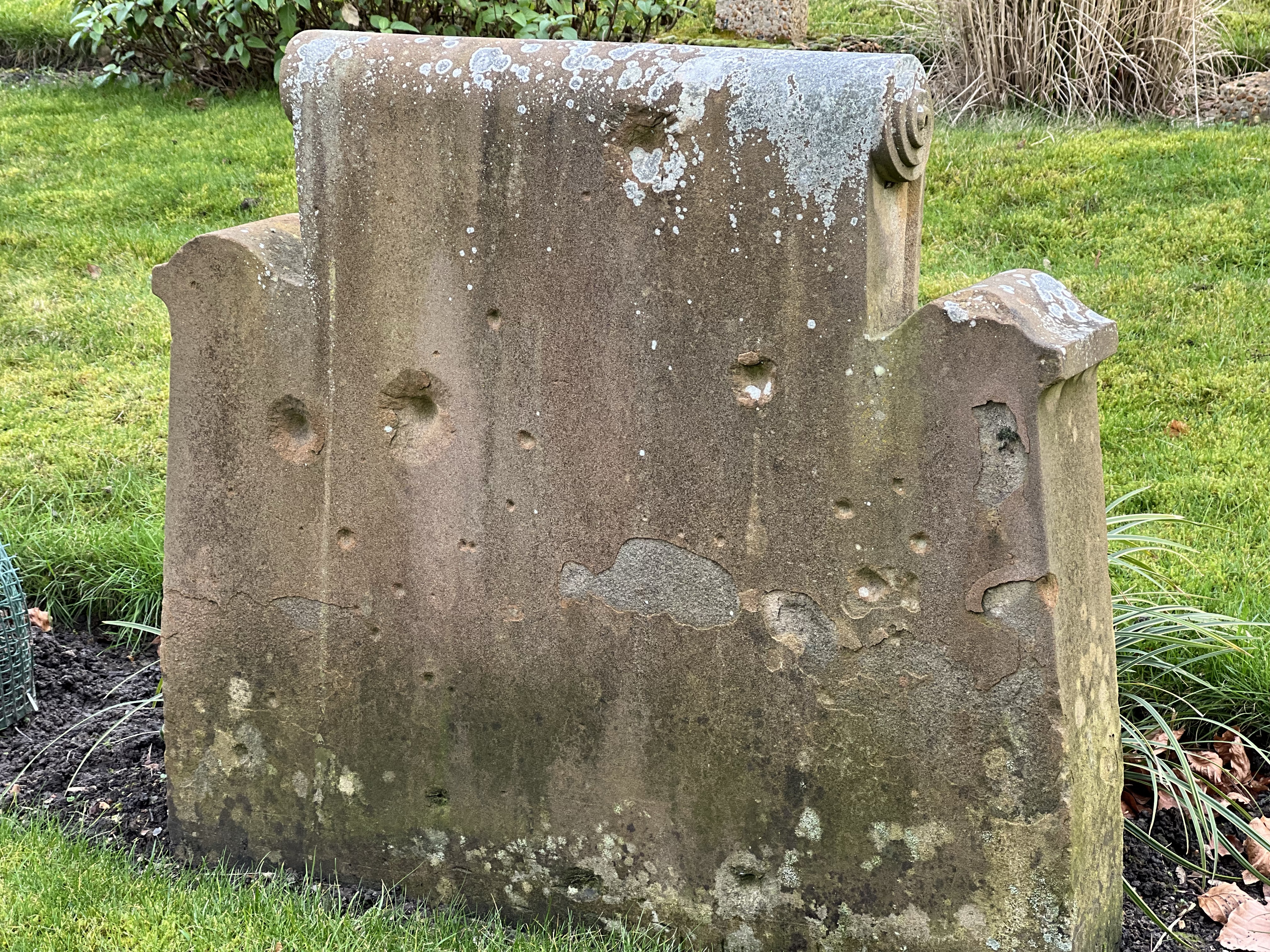
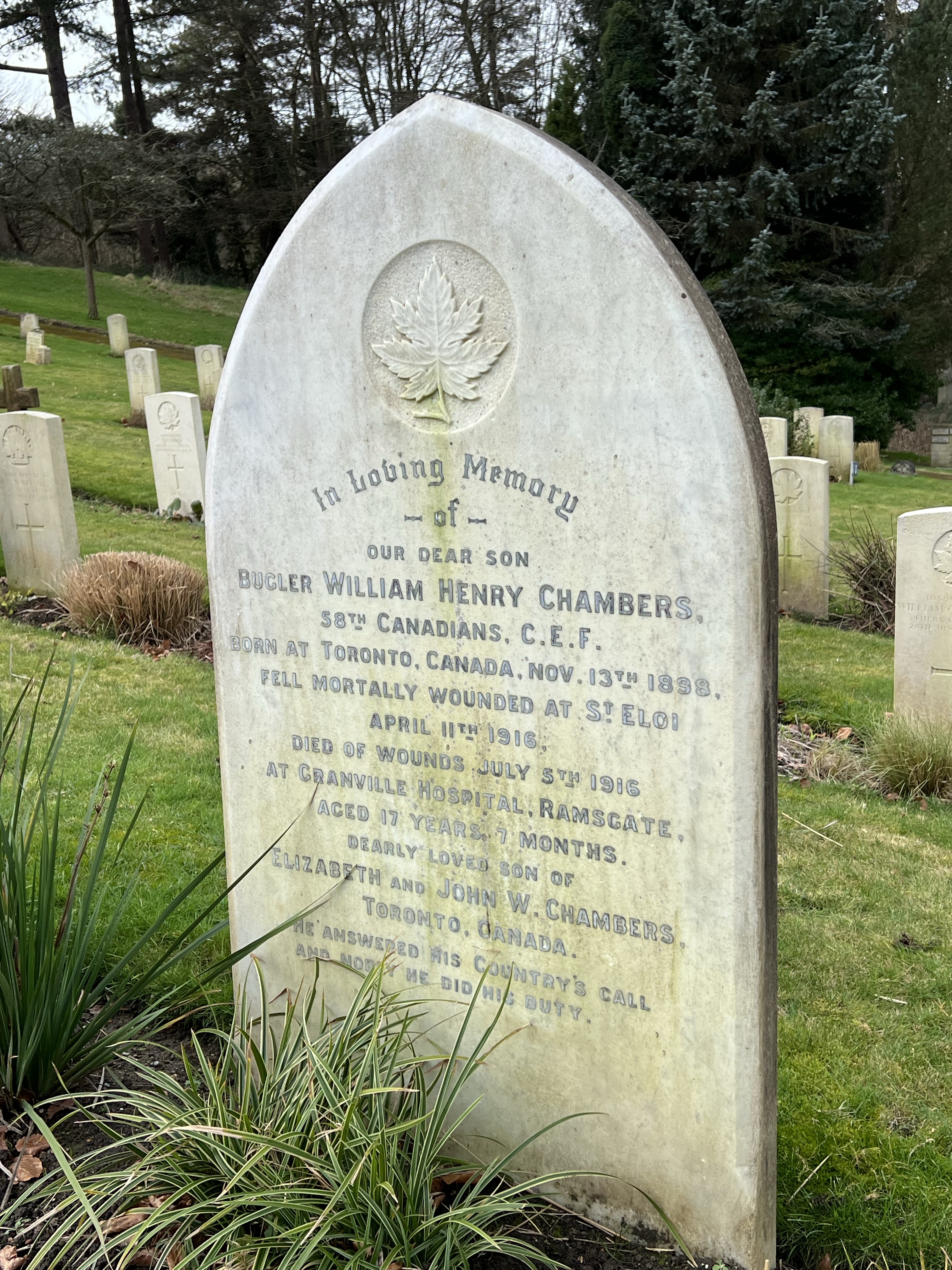
Returning to the History of the First World War we find on our doorsteps, we visit Shorncliffe in Kent to record an episode onsite. Here during the Great War were an Army Garrison, along with a major training centre. We discover the important role of the Canadians at Shorncliffe, the men of the Chinese Labour Corps who had their camp here, and also discuss the first Gotha Bomber raid on Britain by the Germans in 1917.
LOCATION MAP:
Podcast Extras: WW1 Images
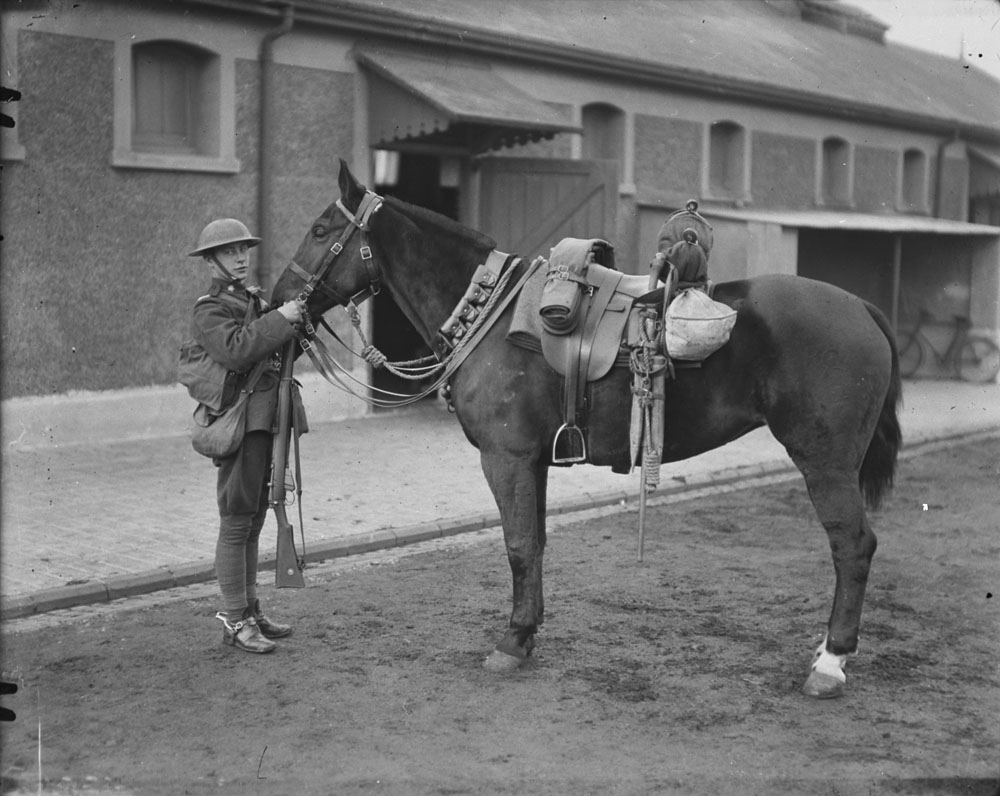
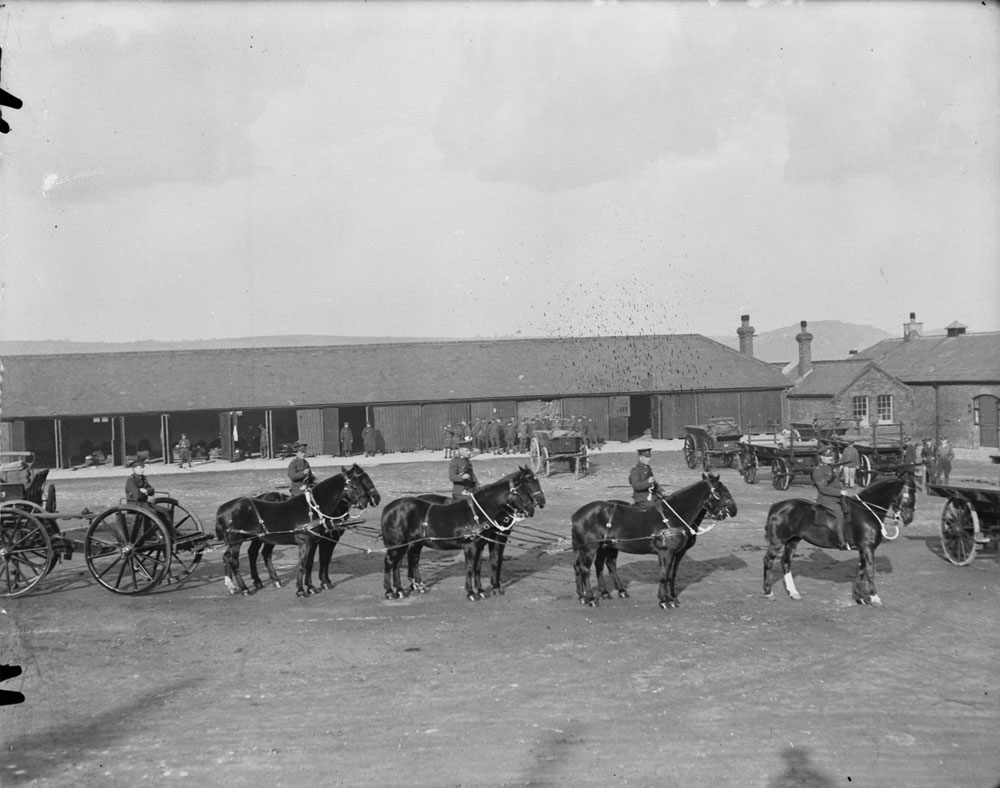
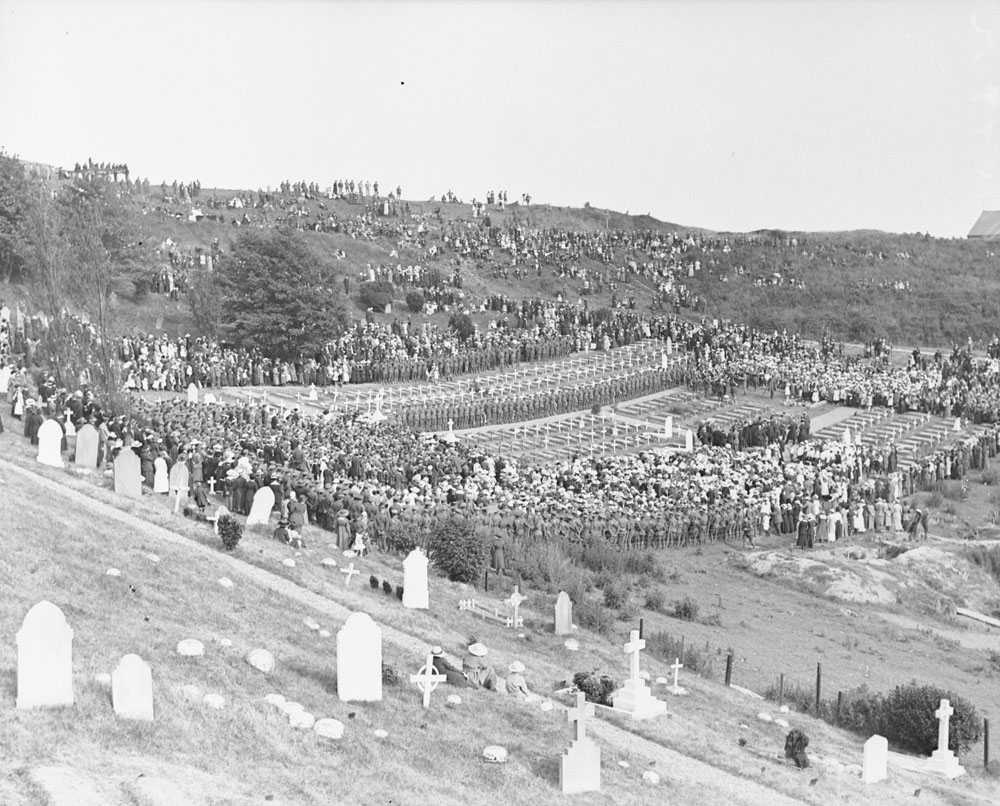
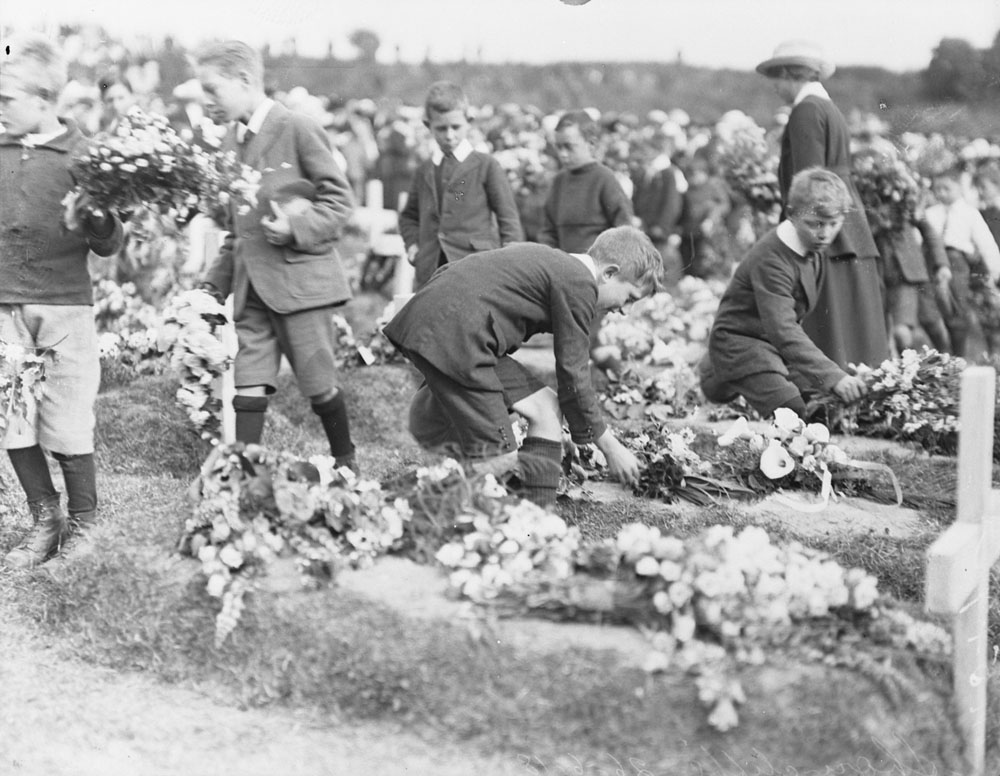
Podcast Extras: Shorncliffe Today
24 Comments on “WW1 At Home: Shorncliffe Cemetery”
Leave a comment


 Old Front Line
Thanks for an interesting listen. The full Doogan story has many layers to it, well worth checking out. CWGC volunteers run tours of the cemetery as do one or two local historians; the Shorncliffe Trust offers tours of the remains of the redoubt, training area and cemetery.
LikeLiked by 1 person
Thanks for this – will have to look out for the tours!
LikeLike
Anytime you would like a tour of the Cemetery just let me know. All tours are free. They vary in length. Cover the different nationalities buried there in WW1, Americans, Serbs, etc. Hidden grave from 1934. The graves no longer there. The first Canadian VC at Shorncliffe, the listgoes on.
LikeLiked by 1 person
Thanks, Peter!
LikeLiked by 1 person
Really enjoyed this Paul thank you
LikeLiked by 1 person
Thanks!
LikeLike
As it is Chinese New Year. For part of the First World War the Biship of Hunan, China was a Canadian Soldier at Shorncliffe. He took part in the ceremony to consecrate part of the main CWGC Section. A Dean of Shanghai’s ashes were scattered in the cemetery after WW2.
LikeLiked by 2 people
Private Fred Wykes, (Great Uncle Fred) 60th Battalion CEF spent time at Shorncliffe before being shipped to France and Belgium and was killed by a sniper on 21st April 1916
LikeLiked by 1 person
Gosh, amazing to think so many Canadians passed through there.
LikeLike
You would be amazed about the number of Americans who passed through Shorncliffe.
LikeLiked by 1 person
Really interesting thanks Paul. Is it Lympne (pronounced Lim) you reference at around 28 mins in? Cheers.
LikeLiked by 1 person
Yes, I was forgetting local pronunciations are just as complex here as when I was in Yorkshire!
LikeLike
Thanks again for the Canadian content, Paul. Shorncliffe Cemetery houses more fascinating stories from The Great War. The collateral damage of the war is on displayed here along with the multitude of interlinked lives that met in a lessor known cemetery on the Channel Coast. Burke🇨🇦
LikeLiked by 1 person
Thanks, Burke.
LikeLike
Just a little bit about one of them. May Arnold is buried in the cemetery. Killed in the air raid in May 1917. Buried in the Cemetery because she was married to a Canadian soldier. Her husband was an American who joined the CEF. He was shot at dawn in 1916.
LikeLiked by 1 person
Thanks for another great episode, Paul. Always so interested to hear the stories of our Canadians. I can’t imagine the heartache of losing a 17 year old son. We will remember them. 🇨🇦
LikeLiked by 1 person
Thanks, Jan.
LikeLike
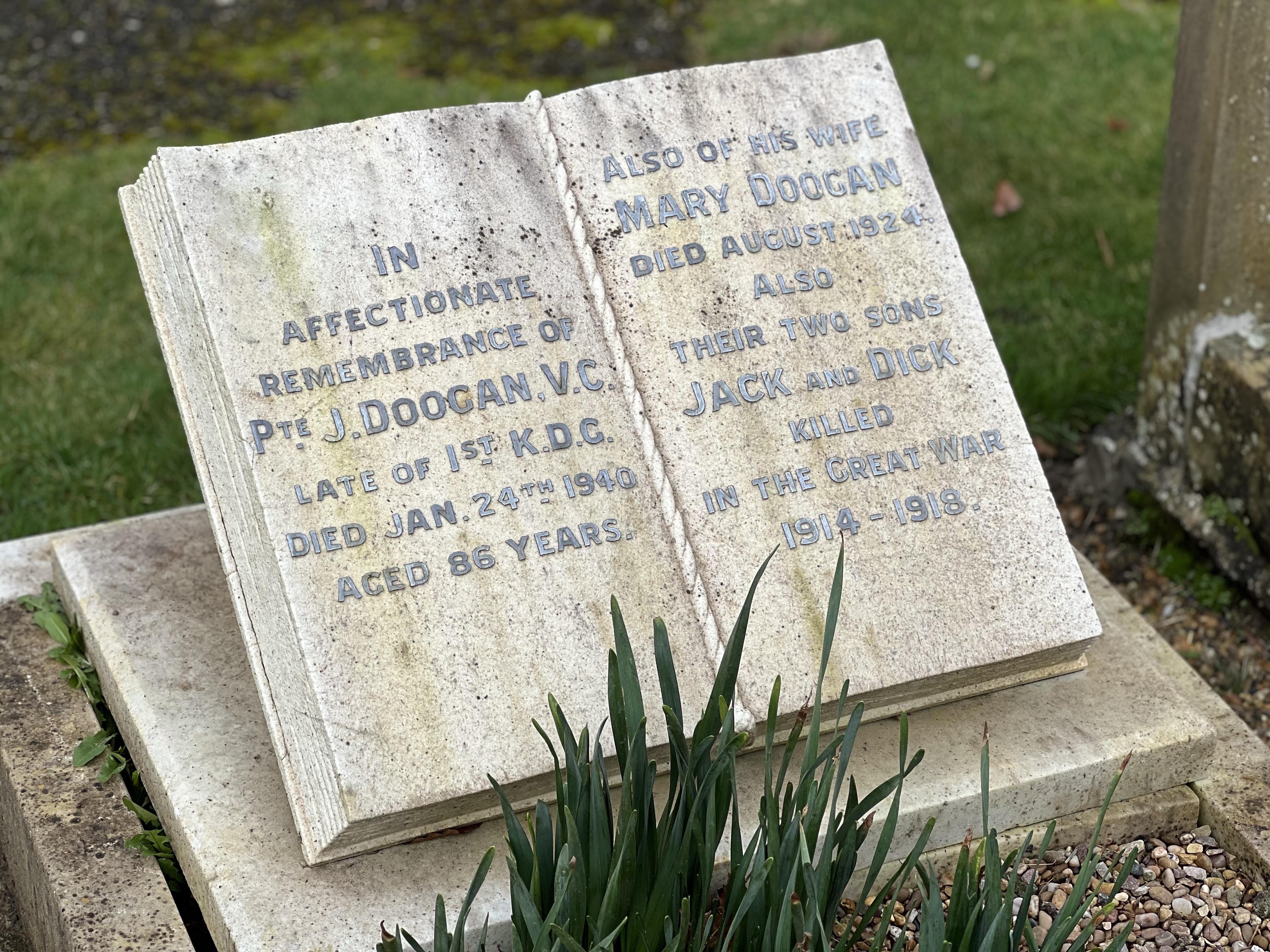
Thanks for a fascinating podcast Paul. I was drawn to Pte Doogan’s story because I will be visiting the battlefield where he won his VC next month (Laings Nek) on a guided Boer War battlefield trip. While there is sadness in the loss of his two sons he seems to have lived a full and to a degree a colourful life. He had 10 children in all and was an innocent party to a bigamous marriage! Also, Major Brownlow, the officer whose life he saved at Laings Nek, thereby winning his VC, left him an annuity of £20 per year. Not a life changing amount though as according to the Wikipedia entry it was worth £600 in 2005.
LikeLiked by 1 person
Thanks for that fascinating extra detail, Stephen!
LikeLike
Really enjoyed the podcast, having visited the barrack at Shorncliff, St Martin’s Plain and Sir John Moor Barracks numerous times. Regrettably I did not visit the cemetery at Shorncliff and really wish I had having listened to your really interesting podcast.
LikeLiked by 1 person
Thanks, Ian. Hope you get to visit it next time!
LikeLike
Great idea to do some visits in the UK.
LikeLiked by 1 person
Paul,
Thanks for the interesting account of the Gotha Bombers. While the battles in the trenches were strictly military conflicts between proper soldiers, the air raids were meant to kill civilians as well, against conventions -and served as a pointer to future wars (e.g. current times!) where the common man would be equally vulnerable.
Vij
LikeLiked by 1 person
When I was researching the WW1 career of my G.G. Grandfather who was in 1st Bttn East Kent Regiment, I recall the war diary states that news of the Gotha raid on Folkestone reached the men and a retaliatory trench raid was carried out.
Carlos
LikeLike