Old Front Line
WW1 Podcast with Paul Reed
Questions and Answers Episode 43
In this episode of The Old Front Line, we explore how individual lives and institutions reveal the human realities of the First World War.
We begin by asking why only three officers were Shot at Dawn during the war, and what this striking disparity tells us about military justice, discipline, and class within the British Army.
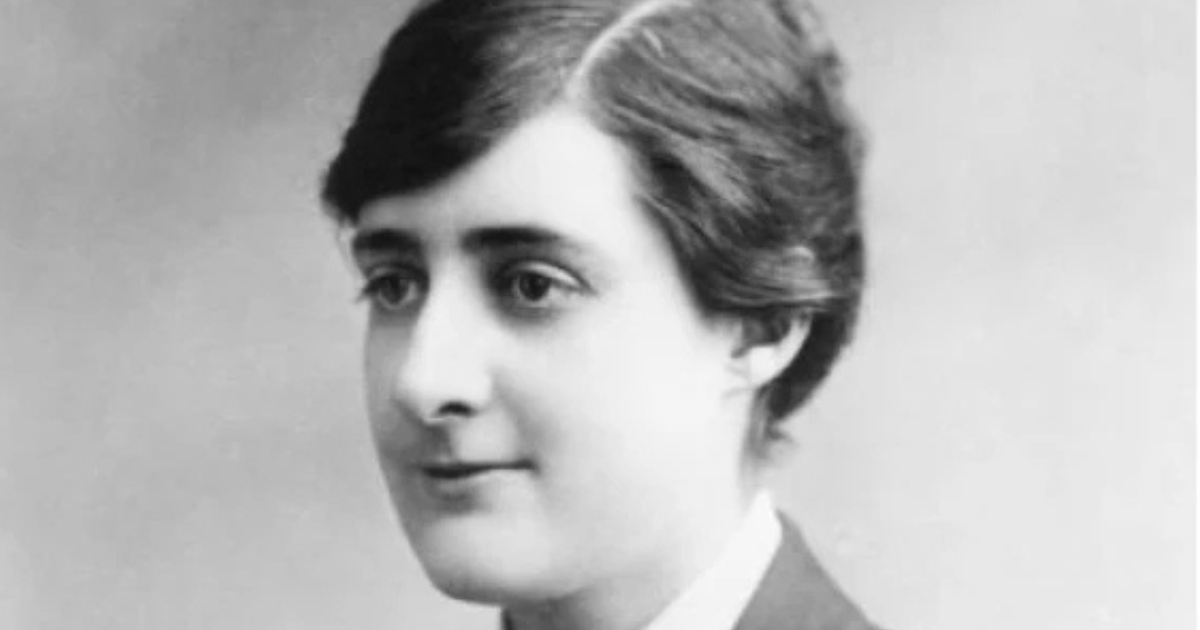
We then turn to the work of the Australian Wounded and Missing Enquiry Bureau, examining how its innovative and compassionate approach – under the leadership of Vera Deakin – sought to uncover the fate of the missing and bring answers to grieving families.
Next, we consider how the experience of war shaped the men who served in the First World War, and question whether their post-war identities and challenges were truly unique, or part of a broader historical pattern.
Finally, we analyse the Battle of Manchester Hill in March 1918, assessing its significance and discussing the possible fate of Lieutenant Colonel Wilfrith Elstob VC, who commanded the defence during the German Spring Offensive.
Shot at Dawn episode: Shot At Dawn – Old Front Line.
Sign up for the free podcast newsletter here: Old Front Line Bulletin.
You can order Old Front Line Merch via The Old Front Line Shop.
Got a question about this episode or any others? Drop your question into the Old Front Line Discord Server or email the podcast.
6 Comments on “Questions and Answers Episode 43”
Leave a comment


 Old Front Line
Excellent as always Paul. The question of how men were shaped by the war particularly interested me as my grandfather always spoke quite disparagingly about his own dad who served with the Grenadier Guards as he walked out on the family in the early 1930s when my grandfather was 9 or 10. Indeed I’m surprised he kept his father’s 14-15 Star which I still have. Thinking about it now, with a bit more perspective perhaps, makes me wonder if my great-grandfather’s reasons for leaving were linked to his mental state and his war experience? I’ll probably never know!
LikeLiked by 1 person
Great episode and really interesting question about Wilfrith Elstob and for info the Manchester Regiment Museum produced a small booklet on him which was called Here We Fight Here We Die……well worth reading IMHO…..
LikeLiked by 1 person
Thanks Niall – yes, I used to have a copy, mislaid somewhere over the years.
LikeLiked by 1 person
I remember listening to your first episode where you said his Victoria Cross is on display at the Manchester Regt Museum. Sadly not. Such a shame his medal is now hid away along with many others by the museum!
LikeLiked by 1 person
Oh no, I didn’t realise that! What a great shame!
LikeLike
As ever very interesting. The class dichotomy regarding those shot at dawn was unsettling to say the least, but given the attitudes of the time, not surprising. The alleged fragging of Elstob was new to me, shades of Captain Lauder?
LikeLiked by 1 person